REVIEW · SYDNEY
Sydney: Australian Museum RELICS Exhibition Entry Ticket
Book on GetYourGuide →Operated by Australian Museum · Bookable on GetYourGuide
A future Earth made of LEGO bricks sounds silly until you see it. RELICS: A New World Rises at the Australian Museum turns forgotten objects into tiny cities, with the show designed by LEGO Masters winners Jackson Harvey and Alex Towler. I like that it mixes sci-fi storytelling with real, touchable-feeling detail, and I especially like the interactive build space that lets you join the world-building instead of just watching.
The only real catch is pacing when the museum gets busy. During school holiday crowds, expect crowds and noise, and plan extra time if you want to actually stop and study the displays.
In This Review
- Key Things I’d Prioritize at RELICS
- RELICS: 2130 Storytelling That Feels Both Silly and Smart
- Where to Start Inside the Australian Museum (and How to Beat the Rush)
- The 14 Displays: How Relics Turn into Mini-Cities
- Seeing Jackson Harvey and Alex Towler’s LEGO Masters Thinking in Every Scene
- The Hands-On Build Space: Why It’s the Best Part for Many Families
- Scavenger Hunt for Kids and Adults: The Exhibit’s Secret Time Saver
- Free Audio Description Guide: Great for Access, Useful for Everyone
- Photography and What to Bring (So You Don’t Regret It Later)
- Family Fit, Noise Levels, and How to Keep the Day Pleasant
- Museum Shop Stops: Turning the Visit into a Take-Home Story
- Price and Value: When It Feels Worth It (and When It Might Not)
- Should You Book the Australian Museum RELICS Exhibition Ticket?
- FAQ
- How long is the RELICS exhibition entry ticket valid?
- Who created the RELICS exhibition displays?
- Is there an interactive build space?
- Is there a scavenger hunt?
- Is the audio description guide free?
- Is the exhibition wheelchair accessible?
- Can I take photos inside the exhibition?
- What should I bring to enjoy the visit?
- Is free cancellation available?
Key Things I’d Prioritize at RELICS
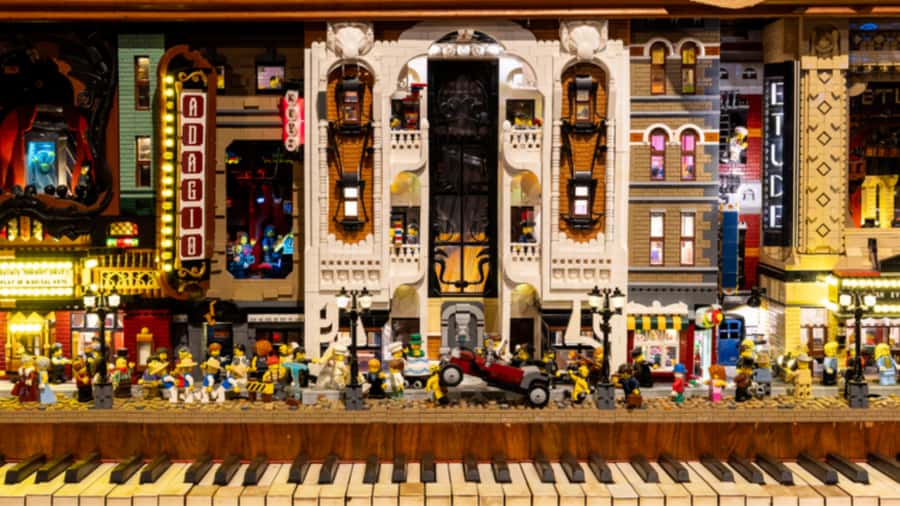
- Vintage objects become LEGO universes: you’ll spot how each relic hints at what came before
- 14 display scenes that combine classic items with built mini-worlds
- Interactive build area so kids (and grown-ups) can make something, not just look
- Two scavenger hunt styles: a kids version and an adult version
- Free accessible audio description guide (bring your own device and headphones)
RELICS: 2130 Storytelling That Feels Both Silly and Smart
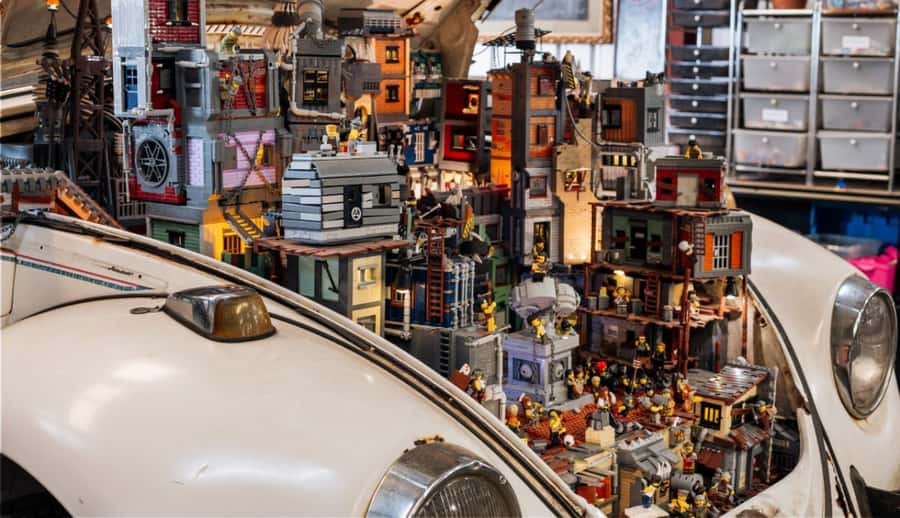
This exhibition is built around a simple thought: what if humans left Earth behind, and tiny LEGO civilizations moved in? The show is set in the year 2130, and the story framework is playful enough for kids, but it still carries a gentle environmental message about resource depletion. It’s part sci-fi, part nostalgia hit, and part imagination engine.
What makes it work is the way it treats everyday objects like plot devices. One display might center on something that looks familiar at first glance, then you realize it’s the stage for a whole community. You’re not only looking at LEGO scenes; you’re reading them like small worlds.
And because you’re in the Australian Museum, it doesn’t feel like a theme-park grab-bag. It feels like a museum exhibit with a LEGO personality.
You can also read our reviews of more tours and experiences in Sydney



Where to Start Inside the Australian Museum (and How to Beat the Rush)
You’ll enter the Australian Museum and spend your day at your own pace. If you’re hoping to see everything calmly, I’d aim for a time when you can get through the first rooms without a long wall of people. One review note made it clear that holiday crowds can slow you down more than you’d expect, especially if you’re trying to get close to the “wow” objects.
Your best strategy is to pick a few targets before you go in. In an exhibit like this, you’ll naturally drift, but knowing what you want most helps you avoid doubling back. If you’re traveling as a family, agree on one “must-see” scene for each person. It keeps the day from turning into everyone pulling in different directions.
Comfort matters. Bring comfortable shoes, and keep your hands free for photos and the scavenger hunt materials.
The 14 Displays: How Relics Turn into Mini-Cities
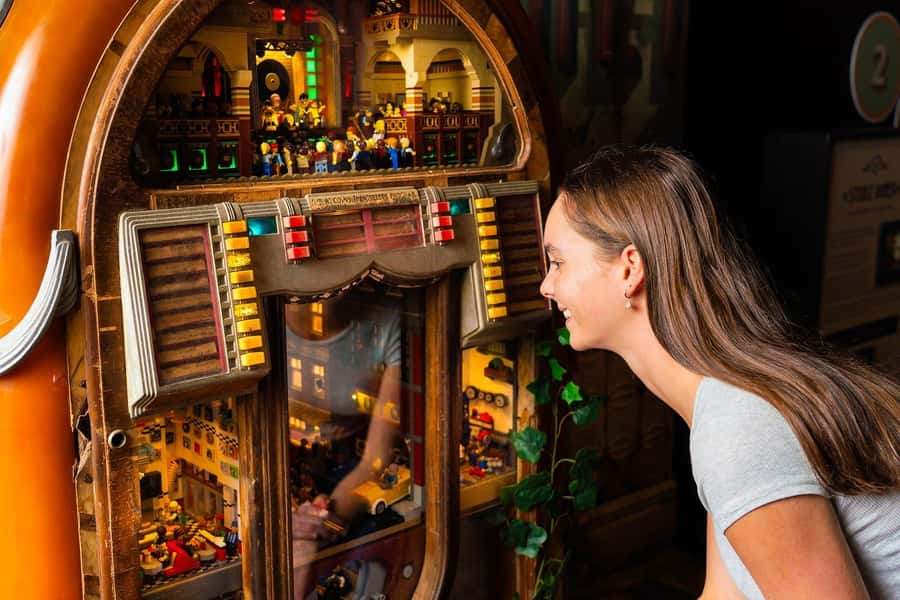
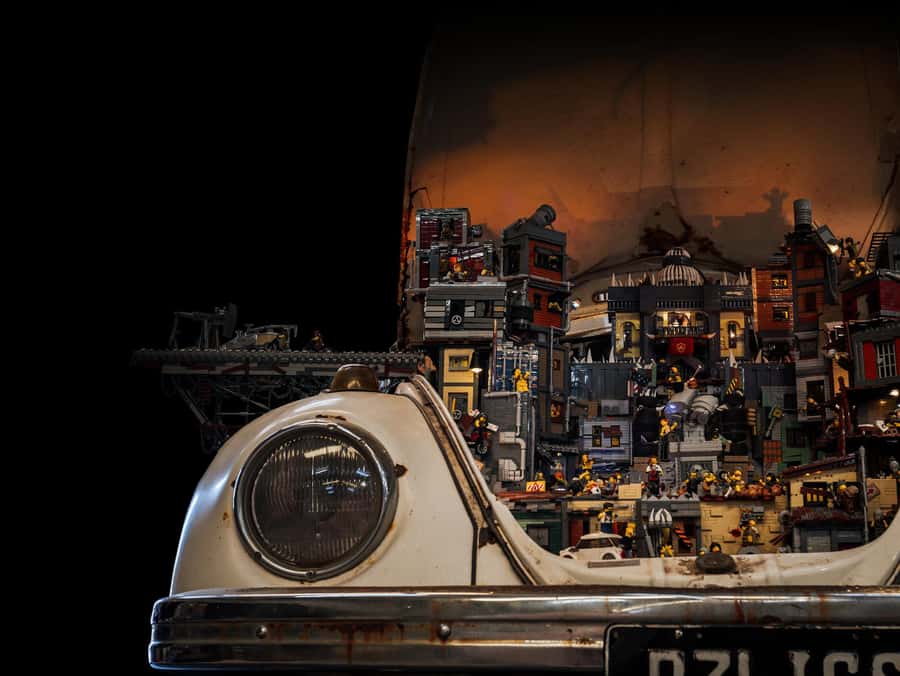
There are 14 displays in total, each pairing vintage objects with intricate LEGO brick worlds. This is the heart of the experience, and it’s where the exhibit earns its name. You’ll see how clever building choices can transform a familiar object into something completely new.
Here’s what I love about this format: you get two kinds of discovery at the same time. First, you enjoy the craft—how the builders created depth, movement, and characters using LEGO. Second, you enjoy the narrative—each display has hints about the past and clues about what the relic once meant.
Some objects are naturally “story-forward,” like things that already look like they belonged to another era. Others surprise you because you wouldn’t guess they’d fit into a sci-fi setting. Either way, the exhibit encourages you to zoom in. Look for small details near characters and signs, because those are the bits that make a scene feel alive.
Seeing Jackson Harvey and Alex Towler’s LEGO Masters Thinking in Every Scene
The exhibition isn’t generic LEGO decorating. It’s the work of Jackson Harvey and Alex Towler, who are known for high-level LEGO building and storytelling. You can see that in how each scene is structured like a world you could actually live in.
The biggest clue is consistency. The LEGO “civilizations” don’t feel like separate dioramas pasted onto objects. They feel like communities with their own logic—characters, environments, and visual rules that repeat across the exhibit. That makes your visit more satisfying because you’re not just consuming one-off visuals. You’re building a mental map of the setting.
You’ll likely notice the balance too. The builds are intricate, but the storytelling stays readable. Kids can focus on characters and colors; adults can notice the design choices and the subtle clues about what happened to humanity.
The Hands-On Build Space: Why It’s the Best Part for Many Families
The exhibit includes an interactive build space, and this is where you get a major value boost. It’s easy to underestimate how much this matters. A lot of LEGO exhibits keep you watching. Here, you can participate.
For kids, it turns the day from passive to active. For adults, it’s a chance to slow down and appreciate how building works—how small choices change the look of a scene. Even if you’re not the sort of person who “does crafts,” you’ll probably find it relaxing to sit, build, and take a photo of your creation.
If you’re visiting as a group, this is also a natural meeting point. While other people are scanning displays, you can choose to spend a block of time at the build area and then regroup. It helps prevent the classic family problem: everyone wants different parts of the exhibit at the same time.
You can also read our reviews of more museum experiences in Sydney






Scavenger Hunt for Kids and Adults: The Exhibit’s Secret Time Saver
One of the smartest features is the custom scavenger hunt, with different versions for children and adults. This isn’t just a gimmick to keep kids busy. It actually improves how you move through the rooms.
A hunt gives your eyes a job. Instead of wandering randomly, you’re looking for specific details tied to the story. That makes the smaller elements feel important, not accidental. And because the hunt exists in two age tracks, you’re not forcing one family member’s pace to match another’s.
Practical tip: if you’re traveling with mixed ages, do a quick plan before you start. Pick who’s doing the hunt for kids, and who’s doing the adult version. If everyone tries the same track, it can slow the group down.
Free Audio Description Guide: Great for Access, Useful for Everyone
There’s a free accessible audio description guide included with the experience. You’ll need to bring your own device and headphones to use it, so charge your phone fully before you arrive.
Even if you don’t need audio description, it can still help you experience the exhibit more intentionally. It gives structure to what you’re seeing—especially helpful in a room full of tiny details. Instead of scanning forever, you can get guided attention.
If you’re traveling with someone who benefits from audio support, this feature is a big win. It turns “museum access” from something you hope for into something built-in.
Photography and What to Bring (So You Don’t Regret It Later)
You’re encouraged to take photos for personal use in most exhibition spaces, but it’s still smart to check any on-arrival instructions about where photography is allowed. I’d treat that as your default rule for any museum exhibit, especially ones with interactive or busy areas.
What to bring is simple and practical:
- Comfortable shoes
- Camera
- Charged smartphone
A charged smartphone matters more than you might think. Between photos, the audio description guide, and the scavenger hunt, it becomes your control panel for the day.
Also, keep your camera habits efficient. If you stop for photos at every display, the crowds can turn your visit into a bottleneck. Pick a few “signature” scenes to photograph well, then let the rest be quick visual checkpoints.
Family Fit, Noise Levels, and How to Keep the Day Pleasant
This exhibition is suitable for families and children, and the future-Earth themes are presented in a playful, accessible way. That means you don’t have to worry that it’s too heavy or too scary for younger kids.
Still, the atmosphere depends on the day you go. One key review detail pointed out that congestion and higher noise levels can happen, particularly when schools are on break. When that’s true, you’ll want a calmer plan:
- Schedule breaks at the build space
- Take the scavenger hunt in a “short sprints” style rather than one long run
- Focus on fewer displays deeply, not every display superficially
If you’ve got kids who get overstimulated, it may help to visit earlier in the day or choose a weekday when possible. Even a small timing change can make the difference between an enjoyable slow walk and a stressful squeeze.
Museum Shop Stops: Turning the Visit into a Take-Home Story
After you’ve explored the exhibition, the museum shop is part of the fun. You can browse RELICS-themed souvenirs, LEGO gifts, and the exhibition book so you can keep exploring after you leave.
This is where I think the exhibit’s value stretches. You don’t just exit with photos; you leave with something you can reference later. The book can help you remember details you might miss during a busy visit, especially the finer build-world elements.
If you’re traveling as a family, shop time can also help your group reset emotionally. Everyone gets to choose one item, and it feels like a reward for making it through an active exhibit day.
Price and Value: When It Feels Worth It (and When It Might Not)
You’re paying for an exhibition entry tied to LEGO-branded creativity, and the value depends on how you like to spend your museum time. If you enjoy interactive parts—especially the build space and the scavenger hunt—you’re likely to feel you got your money’s worth because you’re not only observing.
On the other hand, if you prefer quiet, slow galleries with minimal crowds, your experience may feel less satisfying when the museum is packed. Crowding can make the “up close” viewing harder, and then the exhibit’s best feature—its detailed scenes—gets harder to enjoy.
Also, think of it like this: you’re buying both a show and a mini-activity session. If you treat it as just another ticketed exhibit, it might feel pricey. If you treat it as a family game day inside a museum, it tends to land better.
Should You Book the Australian Museum RELICS Exhibition Ticket?
I’d book this if you want a family-friendly Sydney museum experience that’s not boring, not stiff, and not just eye candy. The combination of 14 carefully built displays, an interactive build space, and a scavenger hunt gives you multiple ways to enjoy the story, regardless of age.
I’d hesitate if you know you hate crowds and noise, or if your trip timing lines up with busy school holiday periods. In that case, the content is still well made, but your ability to enjoy the detail drops when you’re squeezed for space.
If you want a practical rule: if your group enjoys hands-on activities and puzzle-style looking, you’ll have a great day at RELICS. If you’re seeking quiet museum contemplation above all else, plan your timing carefully or choose a calmer day.
FAQ
How long is the RELICS exhibition entry ticket valid?
It’s valid for 1 day. You can check availability to see starting times.
Who created the RELICS exhibition displays?
The exhibition was created by LEGO Masters winners Jackson Harvey and Alex Towler.
Is there an interactive build space?
Yes. There’s an interactive build space where you can build and display your own creations.
Is there a scavenger hunt?
Yes. There’s a custom scavenger hunt with different versions for children and adults.
Is the audio description guide free?
Yes. The accessible audio description guide is free, and you’ll need to bring your own device and headphones.
Is the exhibition wheelchair accessible?
Yes. The experience is wheelchair accessible, and prams and wheelchairs are welcome with step-free access and accessible facilities.
Can I take photos inside the exhibition?
Photography for personal use is typically allowed in most exhibition spaces, but you should check on arrival for any restrictions.
What should I bring to enjoy the visit?
Bring comfortable shoes, a camera, and a charged smartphone.
Is free cancellation available?
Yes. You can cancel up to 24 hours in advance for a full refund.
You Might Also Enjoy




More Museum Experiences in Sydney
More Tickets in Sydney



More Tour Reviews in Sydney
- Blue Mountains Small-Group Tour from Sydney with Scenic World,Sydney Zoo & Ferry
★ 5.0 · 3,709 reviews