REVIEW · SYDNEY
Sydney: Dee Why Beach Group Surfing Lesson
Book on GetYourGuide →Operated by Dee Why Salty Surf School · Bookable on GetYourGuide
Dee Why turns first-timers into wave riders fast. A 90-minute group lesson at Dee Why Beach blends fun with real technique, so you’re not just standing on a board and guessing. I especially like the small-group coaching that helps you fix the big stuff quickly, and I love how the instruction breaks down basics like paddling and the pop-up step-by-step. The main drawback is it’s not for non-swimmers (or people with back problems), so be honest about your comfort in the water.
You meet outside the DY Surf Life Saving Club, with flags set up out front, which keeps things simple. Coaches Dan and Conrad bring over 15 years of combined surf coaching experience and a teaching style that keeps the vibe supportive and calm. Reviews also mention instructors like Will, Angus, and Gor, with quick explanations and plenty of encouragement.
You’ll spend the session working on paddling and timing, then apply it to the pop-up and turning basics, with wave selection and ocean safety built in. All equipment is provided, including surfboards and wetsuits, so you can show up and focus on learning. If you’re thinking this is just about catching a wave or two, this lesson is actually about learning how to get yourself there safely and repeat it.
In This Review
- Key things you’ll notice right away
- Why Dee Why Beach is a smart place to learn surfing
- Meeting outside DY Surf Life Saving Club: what to get ready
- The 90 minutes: what you’ll practice in a group lesson
- Small-group attention: the real advantage for first-timers
- Coaches who teach: Dan, Conrad, and instructors like Will, Angus, and Gor
- Gear and wetsuit setup: what’s provided and how to make it easy
- Surf skills that actually transfer: paddling to wave selection
- Ocean safety: how the lesson teaches awareness, not just surfing
- Price and value: is $53 for 90 minutes a good deal
- Who should book this surf lesson, and who shouldn’t
- Practical tips to get the best results on your first session
- Should you book this Dee Why Beach group surf lesson?
- FAQ
- Where is the meeting point for the lesson?
- How long is the Sydney Dee Why Beach group surfing lesson?
- How much does the lesson cost?
- What equipment is included?
- What should I bring?
- Do I need to know how to swim?
- What skills will the coach teach?
- Is this lesson taught in English?
- Is the group size small?
- What is the cancellation and payment flexibility?
Key things you’ll notice right away
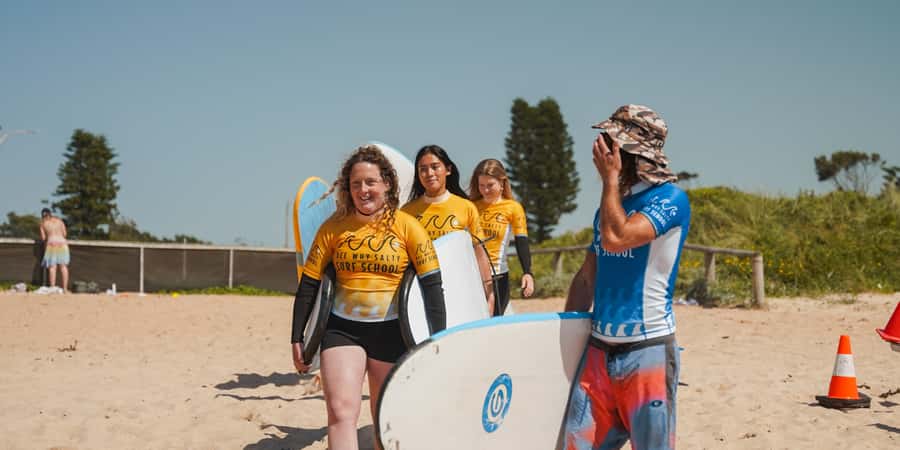
- Small-group coaching: more attention, faster feedback, less time watching from the beach
- Core surf skills covered: paddling, positioning, popping up, turning, and timing
- Wave selection + ocean safety: you get practical guidance, not just hype
- All gear included: surfboard and wetsuit taken care of for you
- Coaches with real teaching chops: Dan and Conrad have 15+ years combined experience
- Social, supportive learning: catching waves with people who are learning too
Why Dee Why Beach is a smart place to learn surfing
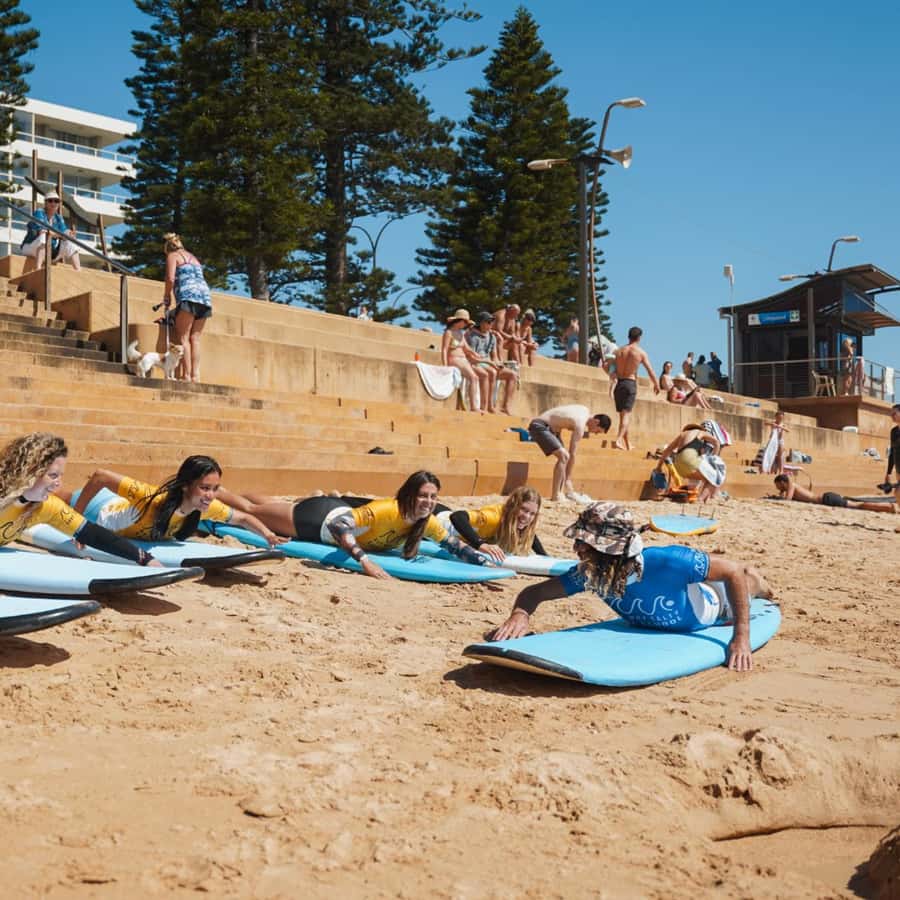
Dee Why works well for a surf lesson because it’s a real surf destination with a structured surf school setup right at the beach. You’re not searching around for where to start; you’re going to a known meeting point and coaches run the session in a clear, lesson-style way.
What I like most is that the coaching focuses on the fundamentals that actually make a difference. Surfing looks random from shore, but once you understand how paddling connects to catching a wave, and how the pop-up connects to timing, everything gets less mysterious. This lesson targets those exact links—paddling, positioning, pop-up, turning, plus wave reading—so you leave with more than a single lucky ride.
Also, group lessons here don’t feel like a classroom. The goal is confidence in the water, and you’ll learn alongside others who are at a similar stage. That matters because surfing can mess with your head the moment you wipe out. A supportive group helps you reset fast.
You can also read our reviews of more tours and experiences in Sydney



Meeting outside DY Surf Life Saving Club: what to get ready
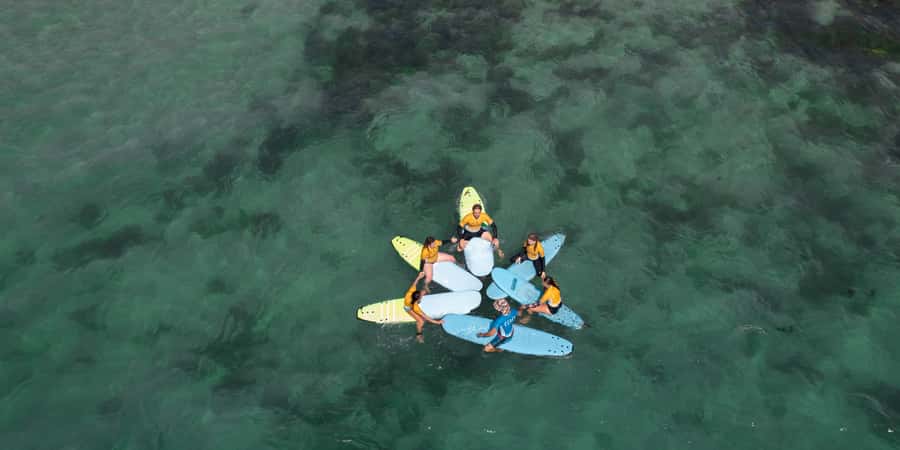
Your meeting point is outside the DY Surf Life Saving Club. Look for the flags set up in front—this is one of those details that saves time. Since the start is a 90-minute session, you don’t want to spend the first 10 minutes playing “where are we?”
Plan your clothing like this: wear swimwear under your clothes, then bring what you need for comfort after. You’ll want a towel, and sunscreen matters. The guidance is to apply sunscreen before the lesson, which is smart because you’ll be in and out of the sun and water.
Before you go, check the basic fit too. This one isn’t suitable for children under 7, people with back problems, or non-swimmers. If any of those apply, it’s better to choose a different activity that matches your needs rather than pushing through and risking a rough experience.
The 90 minutes: what you’ll practice in a group lesson
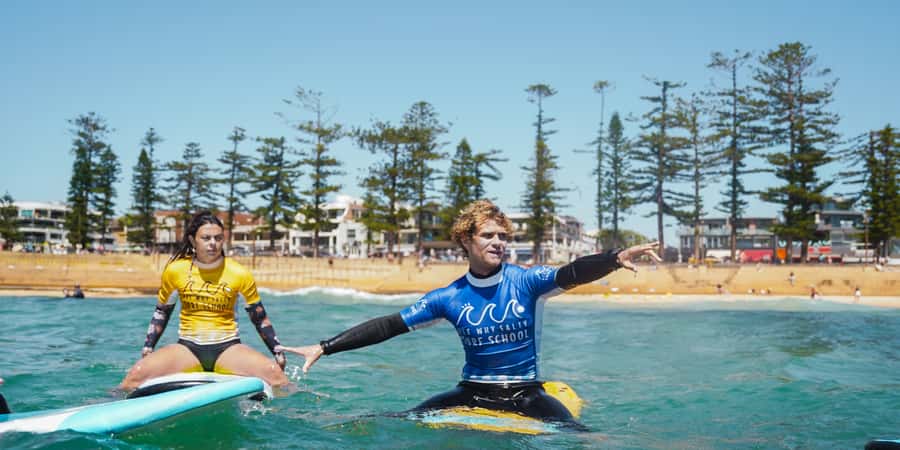
A 90-minute surf lesson is long enough to learn something real, but short enough that the session stays focused. You’re an adult learning in a dynamic group setting, and the coaching is tailored to your group’s skill level, from beginner to intermediate.
Here’s what the lesson covers, and why each part matters:
- Paddling
Paddling is the engine of surfing. If you can’t move efficiently and position yourself correctly, wave selection becomes guesswork. You’ll get tips on how to paddle with purpose so you can get into the right spot faster.
- Positioning and wave timing
This is the bridge between “I’m on a board” and “I’m surfing.” Positioning helps you face the right direction and stay ready, and wave timing helps you know when to commit.
- Pop-up basics
The pop-up is where most first-timers feel stuck. The coaching focuses on the fundamentals so you can go from lying on the board to standing with control. Reviews highlight that instructors make this step easier—one participant said they were able to learn how to stand on the board, and another mentioned getting up on their second try.
- Turning basics
Turning is how you start shaping the ride instead of simply holding on. Even if you’re not carving yet, learning turning basics gives you something to aim for besides balance.
- Wave selection
Wave selection is a beginner superpower. Coaches teach you how to choose waves based on what you’re ready for and what you can realistically handle, which helps you spend your time on better attempts.
- Ocean safety and awareness
Surfing isn’t just technique—it’s understanding the ocean. You’ll get ocean safety tips alongside surfing skills, including awareness points that help keep you and others safer.
The overall vibe is hands-on instruction. You’re not just watching; you’re practicing with support, getting corrected, and trying again.
Small-group attention: the real advantage for first-timers
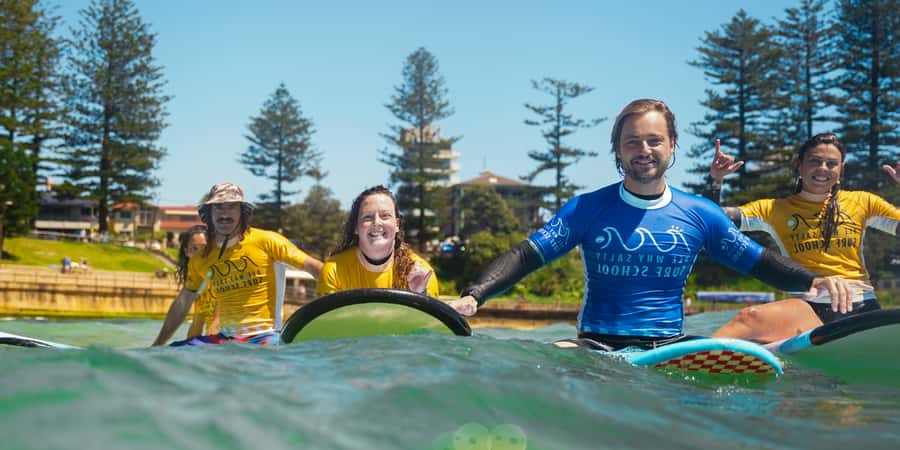
Group lessons can be hit-or-miss, depending on how big the group is and how much coaching you get. The strong point here is small group sizes, designed so you get personalized attention.
That changes everything for beginners. When you’re struggling with the pop-up, for example, you don’t need a long speech. You need a quick fix—maybe your feet position, maybe your hand placement, maybe how you approach the timing. Small groups make it more likely you’ll get that kind of feedback while it’s still fresh in your mind.
It also keeps the energy healthy. Surfing can feel awkward at first: you wobble, fall, laugh, then try again. When everyone is in the same boat (sometimes literally), the group setting becomes part motivation, part social support. That’s why this experience works well for people going with friends, but also for solo learners who want to meet others.
Coaches who teach: Dan, Conrad, and instructors like Will, Angus, and Gor
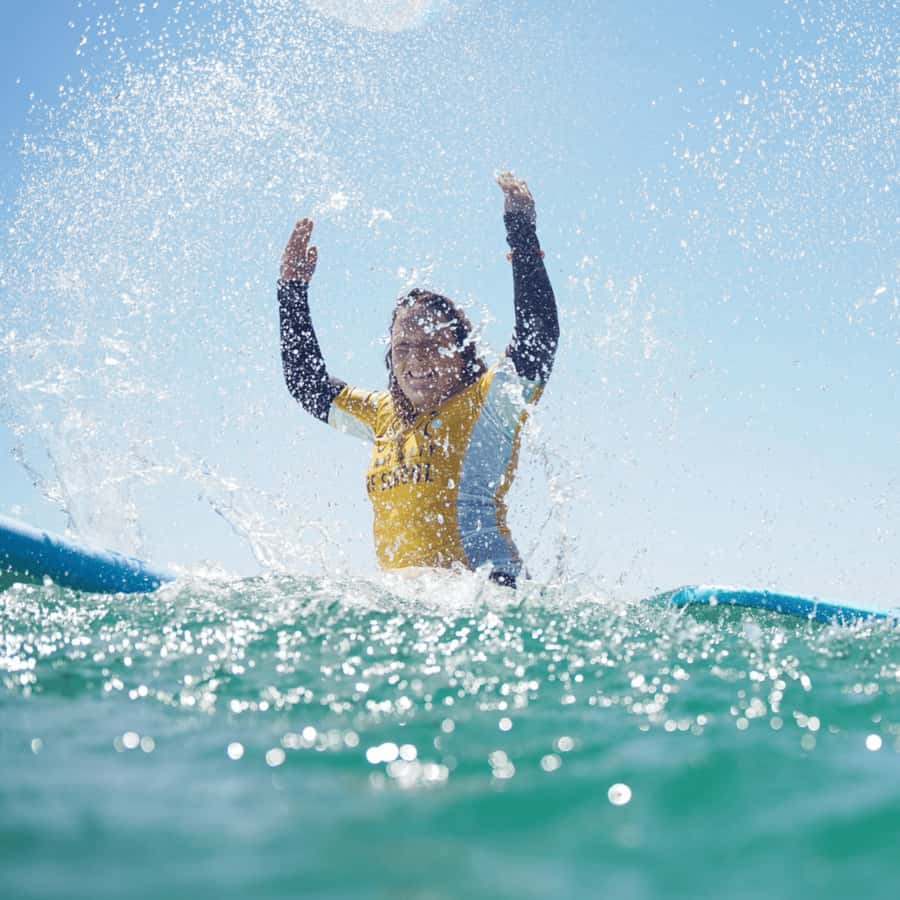
The surf school is Dee Why Salty Surf School, and the coaches are experienced. Dan and Conrad are lifelong surfers and together bring over 15 years of surf coaching experience. That’s a meaningful detail, because coaching is not just about riding well—it’s about explaining and troubleshooting in a way that students can use immediately.
Past sessions also mention instructors like Will, Angus, and Gor as being particularly helpful. One review called out Will for being so helpful, and another credited Angus and Gor with making the session fun while keeping explanations quick enough that the student was up on their second try.
So what should you look for in the way the coaching is delivered? You’ll want instruction that’s actionable: clear tips you can test right away. Based on the way these sessions are described, the coaches focus on the exact moments that trip people up—paddling, popping up, choosing waves, and staying safe.
And yes, they also seem to keep the stoke high. Learning to surf is frustrating in the normal way. Having a coach who can turn frustration into a simple next attempt makes the whole lesson feel worth it.
- Blue Mountains Small-Group Tour from Sydney with Scenic World,Sydney Zoo & Ferry
★ 5.0 · 3,709 reviews






Gear and wetsuit setup: what’s provided and how to make it easy
You don’t need to bring your own board or wetsuit. The lesson includes all necessary equipment, including surfboards and wetsuits. For most visitors, that’s a big value win. It saves you the cost and hassle of renting gear separately—and it removes one more variable when you’re already learning something new.
What you do need is what supports comfort and safety:
- Swimwear under your clothes
- A towel
- Sunscreen applied before you start
There are also clear rules: pets aren’t allowed, and smoking and alcohol and drugs aren’t allowed. It’s a straightforward, responsible setup.
If you’re wondering what to wear on a beginner day, keep it simple. You’ll be wet, you’ll be getting up and down, and you’ll want something you can move in comfortably.
Surf skills that actually transfer: paddling to wave selection
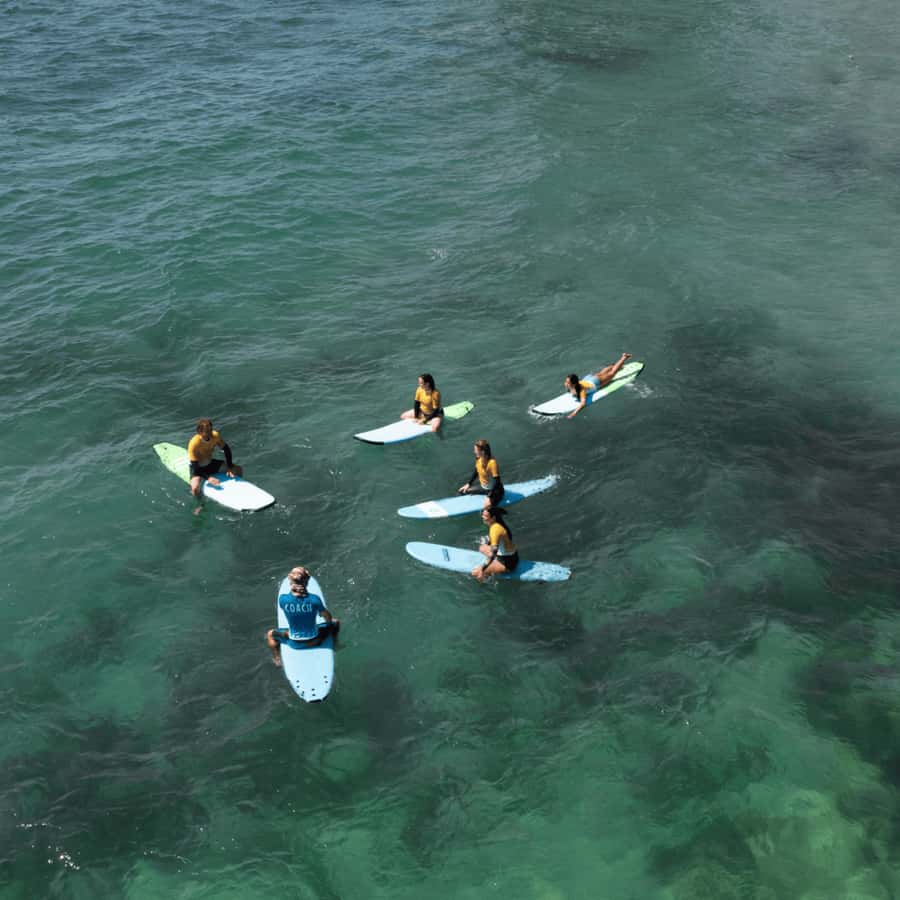
A lot of “first surf” lessons end up being a random collection of attempts. This one tries to teach skills that link together.
Here’s how the pieces fit:
- If your paddling is wrong, you’ll struggle to get into position.
- If your position is wrong, you’ll miss the wave or waste effort.
- If you mistime your pop-up, you’ll stand too early, too late, or with no stability.
- If your wave selection is off, you’ll spend energy on waves you aren’t ready for.
That’s why this lesson includes wave selection and ocean safety alongside technique. It helps you make better decisions in the water, not just perform a one-time trick.
Also, the lesson covers turning basics and positioning, which gives you a goal. Even at the beginner level, having a target beyond standing makes practice feel purposeful.
Ocean safety: how the lesson teaches awareness, not just surfing
Ocean safety shows up in two ways here: through ocean awareness guidance and through practical tips tied to actual surfing situations. That’s important because safety isn’t a separate worksheet you read on land. It’s something you apply while paddling, choosing waves, and trying to stand.
In a lesson context, ocean safety can include things like knowing how to behave around others, understanding what you’re doing before you do it, and getting coach guidance on wave choice. The key is that it’s taught alongside the surfing skills, so you don’t learn technique while ignoring the environment.
If you’re new to the ocean, this is exactly the kind of instruction you want. You’ll get more confident faster because you understand what the coach is watching for and why.
Price and value: is $53 for 90 minutes a good deal
$53 per person for a 90-minute guided group surf lesson is reasonable, especially when you factor in what’s included. You get:
- professional instruction
- surfboard and wetsuit
- small-group attention
If you had to rent gear and then figure out where to practice on your own, the cost and stress would likely climb quickly. Here, you’re paying for coaching time plus equipment that lets you focus on learning the right sequence: paddling, timing, pop-up, and wave selection.
And if you’re deciding between different “see the beach” options, this is value in the form of skill. Even if you don’t become a surfer by the end of the session, you’ll learn what to fix next time—which is better than just having photos.
That also matches the tone of the experience people describe: genuinely fun, clear instruction, and real progress for the price.
Who should book this surf lesson, and who shouldn’t
This lesson is best for:
- adults who want structured surf coaching
- beginners to intermediate surfers
- people who learn well in a supportive group
- friends, couples, or solo visitors who want to meet others in the same learning stage
You might also like it if you want a coach to talk you through paddling, popping up, wave selection, turning, and ocean safety without you guessing.
You should skip it if:
- you’re a non-swimmer
- you have back problems
- you’re traveling with children under 7
If any of those apply, it’s not about “can you power through.” It’s about matching the activity to your safety and comfort level.
Practical tips to get the best results on your first session
You’ll improve faster if you treat the lesson like practice, not performance. Here are a few things that help, based on the focus areas of the coaching:
- Get sunscreen on before you arrive. You’ll be out in the sun and you’ll be in and out of the water.
- Wear swimwear under your clothes so you can change quickly after.
- Bring a towel so you’re not stuck drying off with wet clothes hanging around.
- Listen for the coach’s specific fixes to paddling and pop-up. Those are the repeatable skills.
- Don’t fight the wave selection. The goal is getting more good attempts, not proving you can take everything.
And if you fall (you will), try to reset immediately. The session is set up so you get guidance, then you try again with a slightly better approach.
Should you book this Dee Why Beach group surf lesson?
If you can swim and you want a fun, structured way to learn surfing, I’d book it. It’s one of those experiences where the value isn’t just the ocean time—it’s the coaching that helps you understand what to do next.
Book this if you like:
- hands-on coaching in a supportive group
- learning ocean safety alongside technique
- using included gear so you don’t have extra logistics to manage
Pass if:
- you’re not a confident swimmer
- you have back concerns that make paddling or getting up unsafe
- you’re looking for a private, solo coaching experience (this one is explicitly a group lesson)
FAQ
Where is the meeting point for the lesson?
You meet outside the DY Surf Life Saving Club. Look for the flags set up in front of the surf life saving club.
How long is the Sydney Dee Why Beach group surfing lesson?
The lesson lasts 90 minutes.
How much does the lesson cost?
The price is $53 per person.
What equipment is included?
All necessary equipment is provided, including surfboards and wetsuits.
What should I bring?
Bring swimwear, a towel, and sunscreen.
Do I need to know how to swim?
Yes. It is not suitable for non-swimmers.
What skills will the coach teach?
The coaching includes tips on paddling, popping up, positioning, turning, wave selection, and ocean safety.
Is this lesson taught in English?
Yes, the instructor speaks English.
Is the group size small?
Yes. The lesson is run in small groups to ensure plenty of attention for each participant.
What is the cancellation and payment flexibility?
You can cancel up to 24 hours in advance for a full refund. There is also a reserve now & pay later option, so you can book a spot without paying today.
You Might Also Enjoy




More Workshops & Classes in Sydney

More Tour Reviews in Sydney
- Blue Mountains Small-Group Tour from Sydney with Scenic World,Sydney Zoo & Ferry
★ 5.0 · 3,709 reviews