Sydney has a secret side-street syllabus. This walking tour links the big-name harbour sights with lesser-seen corners, starting at Customs House and moving toward Angel Place and its moving art installation. You’ll get a city-level orientation that feels personal, not rushed, with plenty of story time built into the route.
What I really like is how the small group (up to 10) keeps the walk interactive, and you can ask questions as you go. In the reviews, guides such as Doug, Leigh, Amy, Stacey, and Lee stand out for friendly, on-the-spot explanations that make old streets make sense today. I also appreciate that the tour includes photos taken during the walk plus a mid-tour café stop, so you’re not stuck juggling your phone while listening.
One thing to plan for: it’s a 150-minute walking tour in rain or shine (they only cancel for thunderstorms). If your idea of sightseeing is lots of sitting, pack accordingly and wear shoes that can handle wet pavement.
In This Review
- Key highlights you’ll actually feel
- Why this Circular Quay to Chinatown walk feels smarter than a checklist
- Customs House to Loftus Lane: the harbour city story starts where ships did
- Bridge Street: old administration, big-city ambition
- Angel Place and Forgotten Songs: street art that hangs in your memory
- Martin Place: memorials, money, and the street where events gather
- A local café coffee break: practical rest, plus real recommendations
- Hyde Park and St James Church: a calm breath with Francis Greenway’s touch
- Queen Victoria Building (QVB): Victorian interior detail you’ll want to linger in
- Ending in Darling Harbour and Chinatown: finish strong with your own choices
- Price and value: is $68 fair for 150 minutes?
- Who this Sydney Hidden Gems Walking Tour suits best
- Should you book this walking tour?
- FAQ
- How long is the Sydney Hidden Gems Walking Tour?
- Where is the meeting point?
- What should I wear or bring?
- Is the tour in English?
- Is the group small?
- What’s included in the price?
- Is food included?
- Does the tour run in bad weather?
- Are there toilets and water stops during the walk?
- Is the tour wheelchair accessible?
Key highlights you’ll actually feel
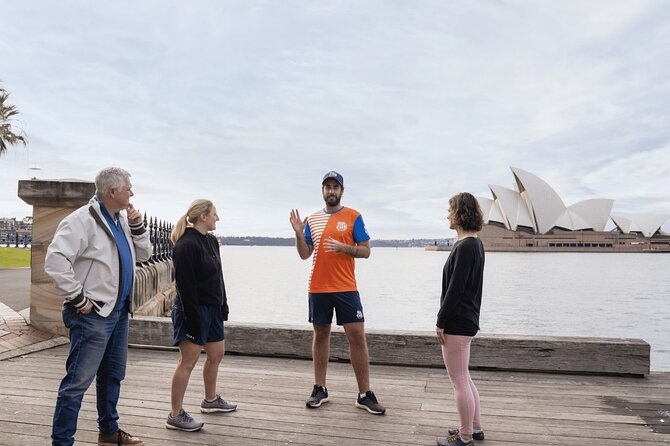
- Circular Quay launch, easy city flow: start at Customs House and end in Darling Harbour and Chinatown.
- Angel Place and the Forgotten Songs birdcages: street art with a surprisingly emotional story.
- Bridge Street and Martin Place: civic Sydney, framed by sandstone and old government power.
- Hyde Park + St James Church (Francis Greenway): a quiet reset after the financial and retail streets.
- Queen Victoria Building (QVB): Victorian-era interior design, staircases, and stained glass.
- Photos + a mid-tour coffee: you keep your hands free for walking and your mind free for questions.
Why this Circular Quay to Chinatown walk feels smarter than a checklist
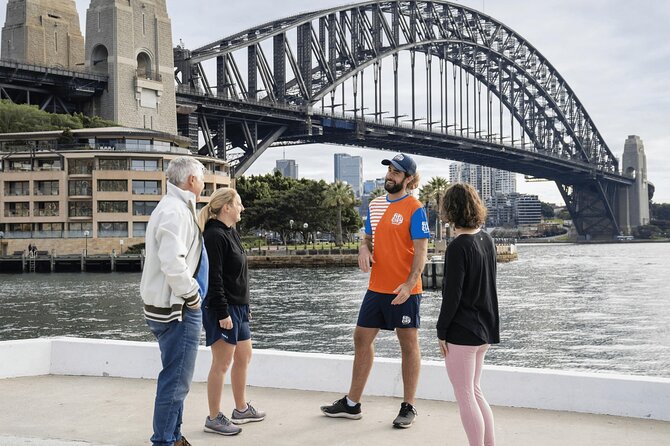
Sydney is famous for its harbour views, sure. But the city is also made of details: the turn of a lane, the shape of a façade, the kind of plaque you would usually stroll right past. This tour is built for that. You’re not just moving between famous points. You’re learning how Sydney became Sydney, from maritime beginnings to government, business, and street art.
The pacing helps, too. At 150 minutes, it’s long enough to notice patterns and short enough that you still have energy for your afternoon plans. The small group size means the guide can answer follow-up questions without treating everyone like a ticket number.
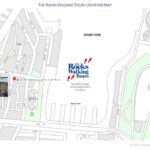
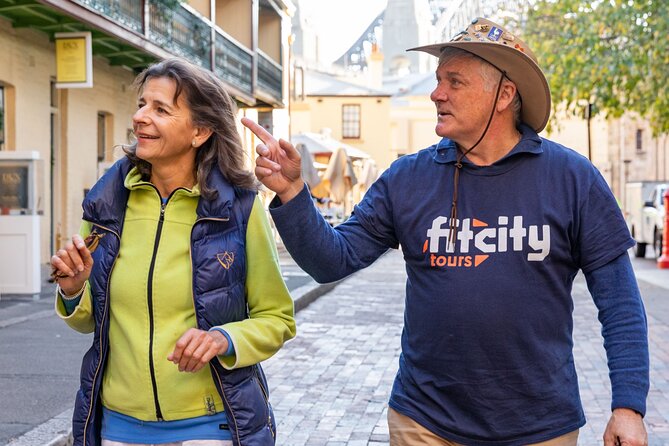
And the meeting point is wonderfully clear. You’ll meet outside the front of Customs House at Circular Quay, with the guide wearing an orange or navy Fit City Tours t-shirt and a navy cap.
You can also read our reviews of more walking tours in Sydney
Customs House to Loftus Lane: the harbour city story starts where ships did
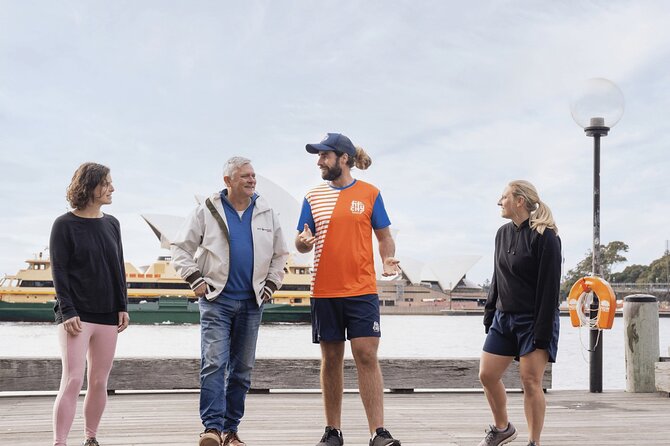
The tour kicks off at Customs House outside Circular Quay. Even if you’ve seen the harbour a dozen times, this starting spot changes how you look at it. It’s a gateway between Sydney’s early maritime role and the modern city around it.
From there, you head into Loftus Lane, where the tour’s whole theme becomes obvious: Sydney’s colonial-era fabric still shows up if you know where to look. You’ll see restored sandstone façades and older architecture, plus occasional harbour glimpses that make the geography click.
What I’d take away from this part of the walk is the sense of layers. Sydney didn’t grow in a straight line. It shifted. Maritime activity and early settlement set the foundation, then the city re-shaped itself into something global. You’ll hear those connections while you’re still close to the harbour, so the explanation doesn’t feel like trivia.
A practical note: this segment is mostly about walking and looking. If it’s hot or raining, take your time and let the guide point out what you might otherwise miss.
Bridge Street: old administration, big-city ambition
Next up is Bridge Street. This is the stretch that turns the volume down on the usual tourist noise. Instead of focusing only on dramatic scenery, you focus on government-era buildings and the street’s administrative backbone.
The route description highlights stately government buildings and old-world charm. That matters because Bridge Street is one of those places where the architecture hints at civic power. In other words, you’re looking at how the city organized itself—who made decisions, where institutions formed, and how the streets reflected that.
What you’ll get from stopping here is a more realistic view of Sydney. It wasn’t just ships and beaches. It was paperwork, institutions, and planning—visible in the façades and the way the street feels.
Possible drawback: some of the significance here is exterior-based. If you’re hoping for lots of inside access to buildings, this part is more about observing and hearing the story than touring interiors.
Angel Place and Forgotten Songs: street art that hangs in your memory
Then comes the stop people remember. Angel Place is a tucked-away laneway filled with suspended birdcages, tied to an installation called Forgotten Songs.
The emotional twist is the point. The tour explains it as a commemoration of native bird species that once filled Sydney with song before development changed the city. That’s not just a nice photo spot. It’s a moment where street art functions like a public memorial.
If you’re taking photos, you’ll want to stand where you can see the full effect of the suspended forms. Daylight helps for detail, while evening lighting (depending on timing) can make the cages feel more haunting. Either way, it’s the kind of stop that makes you slow down without the guide having to force it.
Small consideration: because it’s a laneway, the physical space can feel tight if you’re wearing a big backpack or holding your camera up constantly. Keep it simple, and focus on the scene the guide is pointing out.
Martin Place: memorials, money, and the street where events gather
From Angel Place, you continue to Martin Place, known for its imposing sandstone facades. This is where the tour connects architecture with public life: war memorials, financial institutions, and a street that has hosted major ceremonies, protests, and film shoots.
That blend is part of why this works. You’re not just walking past buildings that look important. You’re learning how the city uses these spaces when history happens. The guide’s storytelling helps you read Martin Place as a stage—where civic emotion shows up.
One thing I like about this segment is the contrast it provides with the laneway art. Angel Place is intimate and quiet. Martin Place feels like the center of adult Sydney. Together, they show two sides of the same city: the private corners and the public core.
Possible drawback: this area can be busy. Even without a crowd, it’s still a major thoroughfare. Keep your pace steady so you don’t lose the guide when you’re looking up at façades.
- Blue Mountains Small-Group Tour from Sydney with Scenic World,Sydney Zoo & Ferry
★ 5.0 · 3,709 reviews

A local café coffee break: practical rest, plus real recommendations
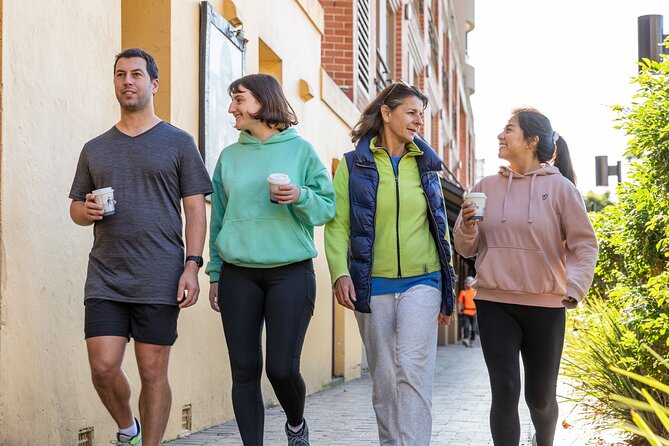
At about mid-tour, you’ll pause for a coffee break at a tucked-away café. Coffee (or an alternative) is included. Drinks beyond that and any food are not included, so plan to buy what you want if you’re hungry.
This is a smart stop for two reasons. First, it resets your legs after a walking loop through heavier streets. Second, it gives you a chance to ask questions without the constant “move on in 30 seconds” pressure you get on longer tours.
In the reviews, guides are praised not only for facts but for how they handle questions. That café pause is the moment you’ll likely get the most useful personal advice, like where to go next on your own time.
Tip: if you want a smooth finish after the coffee, consider keeping your snack light so you don’t feel sluggish on the last stretch.
Hyde Park and St James Church: a calm breath with Francis Greenway’s touch
After the city streets, the tour heads to Hyde Park, described as Australia’s oldest public park. The tone shifts here. Leafy avenues and historic monuments give you breathing room from the pace and density of earlier stops.
Just nearby is St James Church, identified as the oldest surviving church building in Sydney. The tour highlights that it was designed by convict architect Francis Greenway and points to its Georgian architecture. This is one of those locations where the guide’s context matters: without it, you might just see an old building. With it, you feel the survival story—through wars, protests, and changing times.
What makes this part valuable is how it changes your mental map of the city. You’ve been focusing on institutions and streets tied to power. Hyde Park and St James Church add texture: public space, religion, and endurance.
Possible drawback: parks can be crowded and benches can be taken. The goal here isn’t long sitting time. Wear shoes you can walk in comfortably, and treat the stop like a restorative pause, not a full break.
Queen Victoria Building (QVB): Victorian interior detail you’ll want to linger in
The final major architectural highlight is Queen Victoria Building (QVB). This is where the tour turns from outdoor streets into indoor grandeur.
The route description emphasizes 19th-century design, sweeping staircases, stained glass, and a commercial past. Even if you’ve passed QVB on your own before, this kind of guide-led walkthrough changes what you notice. You stop seeing it as just a shopping spot. You start seeing it as a design statement from another era, built to draw people in and keep them moving through beautiful spaces.
The “why” here is practical. Sydney’s layers aren’t just outside. They’re in the way the city built interiors to shape movement, commerce, and identity.
Possible drawback: if you hate shopping malls in general, this might feel like a detour. Still, the focus is on architecture and story, not buying things. Think of it as an indoor walking museum.
Ending in Darling Harbour and Chinatown: finish strong with your own choices
The tour concludes around Darling Harbour and Chinatown. That matters because it sets you up for an easy next step. You’ll be close to food, multicultural streets, and late-day energy.
The best part of ending here is flexibility. If you want dumplings, you can go find them. If you want dessert and people-watching, you can do that too. The tour doesn’t trap you in a schedule for more attractions. It hands you a neighborhood anchor.
One practical thing: since this is the last portion, keep an eye on the exact end point your guide uses so you don’t wander off in the wrong direction.
Price and value: is $68 fair for 150 minutes?
At $68 per person for a 150-minute guided walk, the value comes from what’s included and what you avoid. You’re paying for:
- A guide who can connect the dots between streets, buildings, and changing Sydney
- Photos taken during the tour, which saves your time and improves your results
- A mid-tour coffee (or alternative), which gives you an actual rest point
This isn’t a free-wander self-guided map situation. It’s guided storytelling with small-group attention. With a maximum group of 10, you’re not fighting for the guide’s focus.
On the other side, food isn’t included beyond coffee. So if you tend to snack heavily while sightseeing, you’ll likely spend a bit more on the day. Plan a light appetite earlier, or set aside budget for a proper meal after the tour ends.
Who this Sydney Hidden Gems Walking Tour suits best
This walk is a great fit if you want Sydney to feel more human than postcard-perfect.
I’d recommend it for:
- First-time visitors who want a fast way to understand how Sydney evolved
- Repeat visitors who think they know the city but haven’t explored laneways deeply
- Anyone who likes architecture, street art with meaning, and the stories behind public places
- People who prefer a casual pace over a sprint through ten sights
It might not be the best choice if:
- You strongly dislike walking for 2.5 hours, even at a casual tempo
- You only want classic landmark views and don’t care about the side streets
Should you book this walking tour?
If you enjoy connecting city geography with real stories, book it. The route mixes major landmarks with the sort of corners most people skip, and the guide experience is a big part of the appeal—especially with named guides like Doug, Leigh, Amy, Stacey, and Lee showing up in great review after great review.
If you’re on the fence, do this quick check:
- You’re willing to walk for about 2.5 hours.
- You like learning why places look the way they do.
- You want a photo-friendly stop at Angel Place without turning the day into pure sightseeing fatigue.
If those are yes, you’ll likely walk away with a Sydney that feels more personal than the standard harbour photo circuit.
FAQ
How long is the Sydney Hidden Gems Walking Tour?
The tour runs for 150 minutes, which is about 2.5 hours of casual walking.
Where is the meeting point?
You meet outside the front of Customs House at Circular Quay.
What should I wear or bring?
Wear comfortable shoes and comfortable clothes, and bring a camera if you want photos.
Is the tour in English?
Yes, the live tour guide speaks English.
Is the group small?
Yes. It’s limited to 10 participants.
What’s included in the price?
The guide, all photos taken during the tour, and a mid-tour coffee (or alternative) are included.
Is food included?
No. Only the coffee (or alternative) is included. Additional drinks and food are not included.
Does the tour run in bad weather?
It runs in rain or shine, and it only cancels for thunderstorms.
Are there toilets and water stops during the walk?
Yes. Toilets and water taps are available along the course.
Is the tour wheelchair accessible?
Yes, the tour is listed as wheelchair accessible.
You Might Also Enjoy
More Walking Tours in Sydney
More Tours in Sydney
- Blue Mountains Small-Group Tour from Sydney with Scenic World,Sydney Zoo & Ferry
★ 5.0 · 3,709 reviews
More Tour Reviews in Sydney
- Blue Mountains Small-Group Tour from Sydney with Scenic World,Sydney Zoo & Ferry
★ 5.0 · 3,709 reviews