REVIEW · BLUE MOUNTAINS
Stargazing with an Astronomer in the Blue Mountains
Book on Viator →Operated by Blue Mountains Stargazing · Bookable on Viator
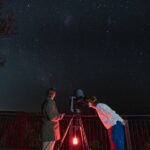
Clear skies or not, the night sky has a way of grabbing you. This Blue Mountains stargazing tour turns darkness into a guided show, with an astrophysicist on hand and a professional-grade telescope. You’ll also get laser-guided constellation storytelling so you’re not just staring, you’re learning what you’re seeing.
I especially like the focus on real objects you can hunt for in the Southern Hemisphere sky. On nights when conditions line up, you may view the Moon’s craters, planets like Mars and Venus, Saturn’s rings, Jupiter’s moons, the Orion Nebula, and even double and triple stars through the scope.
One drawback to plan around: wind and weather can change where you watch from. In at least one case, the group had to view from a park area instead of the lookout track, so dress like you mean it.
In This Review
- Key Things to Know Before You Look Up
- Blue Mountains Stargazing From Wentworth Falls Lookout Track
- The Astronomer’s Sky Stories: Getting Oriented Fast
- Telescope Time: What You Might See in 90 Minutes
- Hot Chocolate and Comfort: Small Details That Matter
- Q&A With the Astrophysicist: Ask Questions Without Feeling Shy
- When Wind or Clouds Roll In: Your Weather Backup Options
- Accessibility and Getting There: Built for More People Than You’d Expect
- Price and Value: What $60.97 Buys You
- Who This Tour Fits Best (and Who Might Feel Restless)
- Should You Book This Stargazing Evening?
- FAQ
- How long is the stargazing tour?
- Where does the tour start?
- What can I expect to see through the telescope?
- Are drinks included?
- Is the tour wheelchair and stroller accessible?
- What languages are available during the tour?
- What happens if the weather is bad?
- How many people are on the tour?
Key Things to Know Before You Look Up
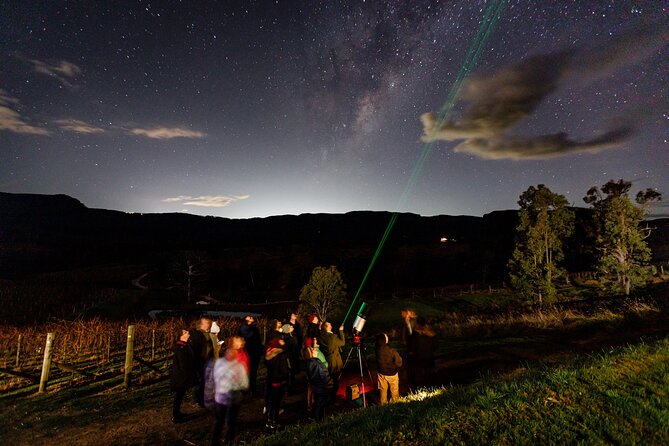
- Laser-guided constellation storytelling helps you spot key stars fast instead of guessing
- Professional-grade telescope + astronomy binoculars for both big moments and close details
- Warm or cold drinks (hot chocolates) keep you comfortable while you wait for the sky to settle
- Small group size (max 20) makes it easier to ask questions and get answers
- Weather plan at 1 pm: reschedule via credit or switch to an indoor planetarium option
Blue Mountains Stargazing From Wentworth Falls Lookout Track
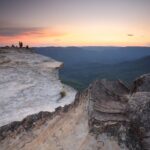
The tour starts at Wentworth Falls Lookout Track in the Blue Mountains, and it ends right back at the same meeting point. That’s practical: you don’t need to worry about being dropped off far away after the lights go down.
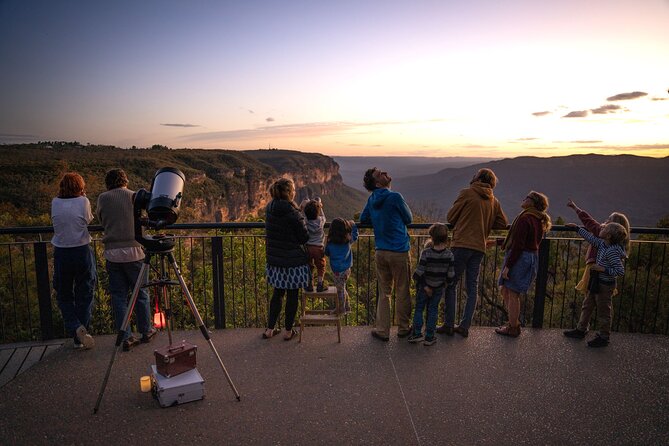
The experience is built for a real night-sky session. It’s about 90 minutes, with a guided flow that typically moves from learning the sky to using the telescope for objects you can’t easily see with the naked eye. You’ll also be part of a group capped at 20, which helps keep things interactive rather than a lecture you can’t hear.
If you’re bringing kids or you’re traveling with mobility needs, this matters: the experience is wheelchair and stroller accessible, and service animals are allowed. The tour also runs in English and French, which is great if you’d rather follow along in your first language.
You can also read our reviews of more tours and experiences in Blue Mountains.
The Astronomer’s Sky Stories: Getting Oriented Fast
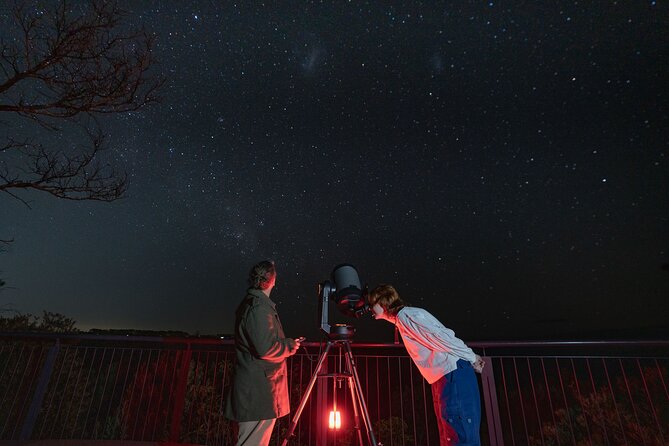
The core magic here is that you’re not expected to know the Southern Hemisphere sky already. The tour guide is an astrophysicist, with over ten years of experience, and the night is set up so you can identify constellations with the naked eye before you even touch the telescope.
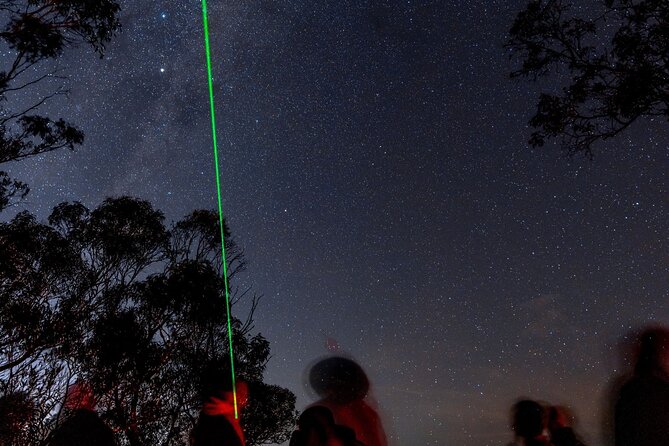
The storytelling uses a laser guide to point out what to look for. That sounds simple, but it’s the fastest way to learn. Once you can connect the dots on a map of stars in your mind, the sky stops feeling random, and you start seeing patterns you can return to later.
In reviews, guides stood out for how much they engaged with the group. I saw names like Nathan, plus Tom and Alka, show up in standout comments about explanations and Q&A. Even when conditions weren’t perfect, the vibe stayed focused on giving you something to do and something to learn—like it’s a friendly night class, not a dark-sky waiting room.
Telescope Time: What You Might See in 90 Minutes
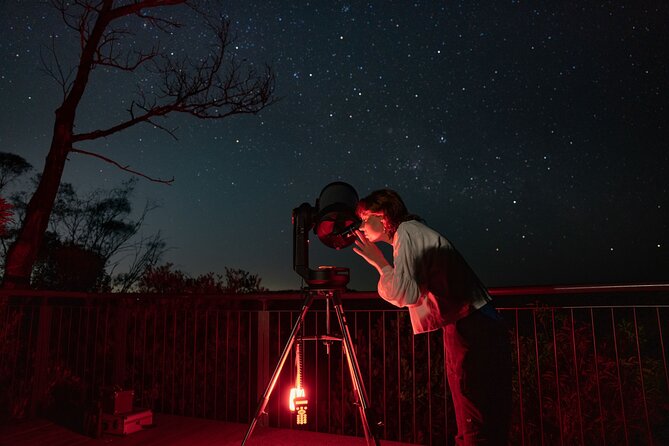
This part is why most people book. You’ll get views through a state-of-the-art, professional-grade telescope, and the tour can show different targets depending on the night and time of year.
Here are the big possibilities listed for the session:
- The Moon, including craters (when visible)
- Planets such as Mars and Venus
- Saturn’s rings
- Jupiter’s moons
- The Orion Nebula
- Star clusters
- Double and triple stars
- Deep-space targets like galaxies and the Milky Way
A useful way to think about this: the sky changes, and the tour is flexible. If the Moon is up, you may get a close, crisp look at its surface. If planets are in view, you’ll focus on them. And if you’re in a season where deep-sky objects pop, the guide will steer the telescope toward nebulae and galaxies.
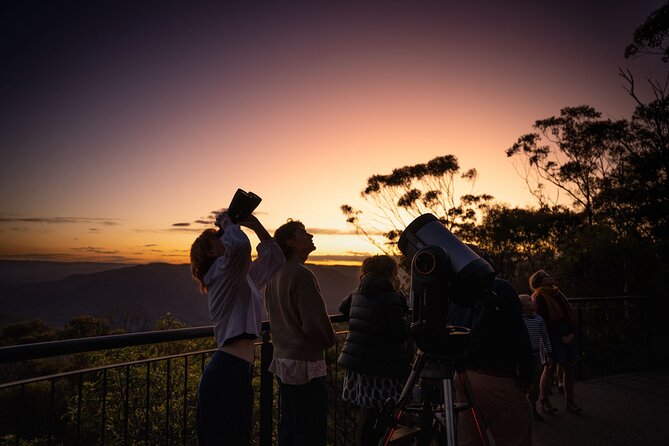
Also, you’re not stuck waiting your turn with just the scope. The experience includes astronomy binoculars, which means you can still enjoy the sky in two layers: wide-field looking with binoculars, then high-detail viewing with the telescope.
Hot Chocolate and Comfort: Small Details That Matter
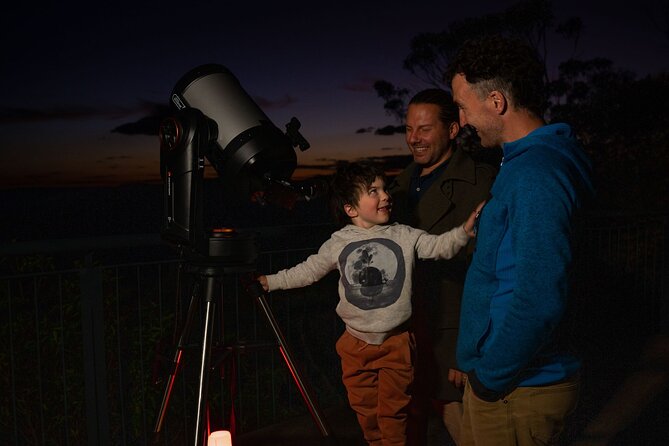
I like that comfort isn’t ignored. The tour provides warm or cold drinks, weather dependent, and the standout included complimentary hot chocolates.
That matters more than it sounds. Stargazing can have that slow, chilly stretch where you’re trying to be patient while your hands go numb. Getting something warm lets you focus on the sky instead of counting minutes until you can thaw out. In reviews, people also called out warm blankets and the hot chocolate as real highlights.
One more practical point: you’ll be outside in the Blue Mountains at night, so treat this like an outdoor event, not a casual stroll. Layers and a hat go a long way, especially if wind kicks up. Reviews even mention wind affecting where the group could view from, which means you may want to plan as if it could get breezy.
Q&A With the Astrophysicist: Ask Questions Without Feeling Shy
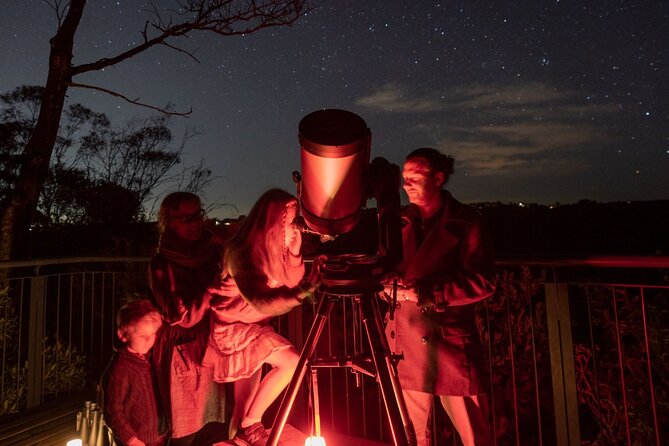
This isn’t just pointer-and-go. You get time for Q&A with an astronomer, plus the guide is using both naked-eye constellation work and telescope viewing.
That format is a big value if you like explanations. You can ask things like:
- How to find a specific constellation again later
- What feature you’re looking at through the telescope
- Why certain objects are easier to see on one night versus another
In the comments, the tone keeps coming back to enthusiasm and engagement. People got answers that felt clear, not watered down. And because the group size is capped, you’re more likely to get your question answered instead of having to shout to the back.
When Wind or Clouds Roll In: Your Weather Backup Options
Weather can be a buzzkill for stargazing anywhere, and the Blue Mountains are no exception. This tour has a weather decision point at 1 pm on the day.
If conditions aren’t good enough for stargazing, you’ll be offered two options:
- Choose to receive a gift voucher/credit to reschedule your tour (transferable to other people and valid for 3 years)
- Choose to attend an alternative 90-minute indoor planetarium astronomy tour in a dome (with a projector and cinema experience)
One more detail that affects your planning: the indoor planetarium tour needs a minimum of 8 guests to run. Also, the information provided says no refund is offered if the weather forces the change, so the safe move is to be ready to either reschedule via credit or switch indoors.
In short, you’re not left completely out in the dark—though your night’s final format depends on conditions.
Accessibility and Getting There: Built for More People Than You’d Expect
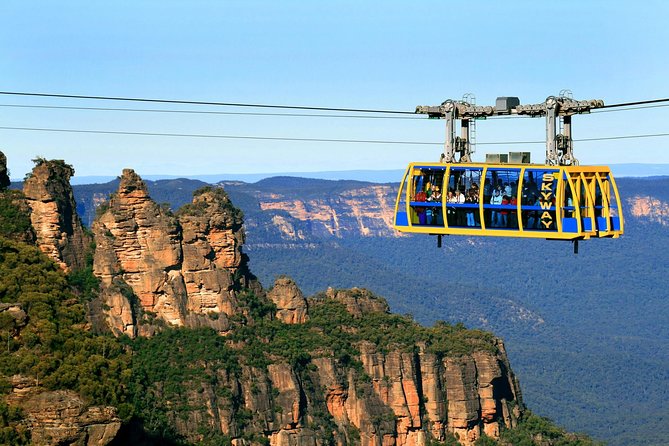
This experience is wheelchair and stroller accessible, and it’s designed so you can participate even if you don’t want to hike. The meeting point is on a lookout track, but the tour itself is set up around viewing and learning, not long-distance walking.
If you rely on public transport, you’ll be happy to see it’s near public transportation. That’s useful after a late-night event when you’d rather not drive.
Service animals are allowed too, which is a meaningful inclusion if you travel with a working companion. In other words, this isn’t a rigid, access-limited activity. It’s a stargazing event that tries to welcome different needs.
Price and Value: What $60.97 Buys You
At $60.97 per person, you’re paying for two things that are hard to DIY: a guided interpretation of the sky and access to equipment that makes faint objects more visible.
Here’s the value angle I’d focus on:
- You get a pro telescope experience with guided viewing, not just a lecture.
- Drinks are included, including hot chocolates, which helps make the wait comfortable.
- You’re capped at 20 people, so the experience doesn’t feel like a cattle call.
- The astronomer-led Q&A adds “real learning time,” not just passive viewing.
Could you buy a telescope and learn on your own? Sure. But you’d still need clear skies and years of practice to identify the same objects fast. This tour compresses that learning curve into a single night—plus it provides a fallback plan if weather changes your viewing conditions.
If you’re visiting the Blue Mountains for a short time, it’s a high-ROI activity. It’s also ideal if you’re coming from a place without Southern Hemisphere skies in your backyard—people get a strong wow factor seeing familiar constellations plus new ones like the Southern Cross.
Who This Tour Fits Best (and Who Might Feel Restless)
This tour is a great match if you:
- Want a guided introduction to the Southern Hemisphere night sky
- Enjoy asking questions instead of just watching
- Like hands-on viewing through a telescope and binoculars
- Travel with kids or mixed ages who do better with a structured activity
It’s also good if you’re a first-time stargazer. One review specifically called out the shock of seeing the Southern Cross for the first time after sunset to full night sky clarity.
If you’re the type who gets antsy during slow transitions, you’ll want to show up ready. The experience is paced for learning and viewing, and bad weather might mean switching to an indoor planetarium option. If you dislike waiting outdoors, your best move is dressing for the cold and wind so you stay comfortable through the quiet moments.
Should You Book This Stargazing Evening?
I’d book this if you want an organized night-sky experience with real equipment and a guide who can turn random stars into named objects. The combination of laser pointing, binoculars, and telescope viewing keeps you engaged, and the drink comfort makes it easier to stay out there long enough to see what the sky offers.
The biggest decision factor is weather tolerance. If you’re flexible and okay with an indoor alternative, you’re in a good spot. If you’re the type who hates last-minute changes, you might want to keep your expectations grounded and be ready to reschedule using the provided credit option.
If you’re in the Blue Mountains and you care about seeing the Southern sky the right way, this is the kind of evening you’ll remember for more than the photos.
FAQ
How long is the stargazing tour?
The tour lasts about 1 hour 30 minutes.
Where does the tour start?
You meet at Wentworth Falls Lookout Track, New South Wales, Australia.
What can I expect to see through the telescope?
Depending on the time of year and night, you might see the Moon, planets such as Mars and Venus, Saturn’s rings, Jupiter’s moons, the Orion Nebula, star clusters, double and triple stars, and deep-space objects like galaxies and the Milky Way.
Are drinks included?
Yes. Warm or cold drinks are provided depending on the weather, and complimentary hot chocolates are included.
Is the tour wheelchair and stroller accessible?
Yes. The experience is wheelchair and stroller accessible.
What languages are available during the tour?
The tour is offered in English and French.
What happens if the weather is bad?
On the day at 1 pm, you can choose to receive a gift voucher/credit to reschedule, or choose the alternative 90-minute indoor planetarium astronomy tour. The indoor option requires a minimum of 8 guests, and no refund is offered in case of bad weather.
How many people are on the tour?
There’s a maximum of 20 travelers, and tickets are mobile.