REVIEW · SYDNEY
Whale Watching on Speed Boat with canopy from Sydney Harbour
Book on Viator →Operated by Ocean Extreme · Bookable on Viator
There’s something magical about a fast boat at sea. This Sydney Harbour whale-watching trip takes you offshore quickly in a low, open-style craft so you can get close to migrating humpbacks. Two big wins for me are the unobstructed viewing from the water and the way the crew turns sightings into real learning, not just sightseeing.
The one thing to consider is that this is an open/low-to-the-water boat experience, and the company notes riders with certain health conditions can’t go. It’s also a weather-driven outing, so cold spray and wind are part of the deal even when it looks nice from shore.
In This Review
- Quick hits before you go
- Circular Quay to the Tasman Sea: why this trip feels personal
- The boat setup: canopy, closeness, and how to dress
- Meeting at Campbell’s Cove: quick logistics that actually matter
- On the water: how the Sydney Harbour sights fit the story
- Sydney Harbour Bridge stop: the “we’re really leaving” moment
- Sydney Opera House stop: the quick photo frame
- Back through Sydney Harbour: setting expectations
- Ocean Extreme: where the whale search turns real
- Cruising alongside humpbacks: what “up close” usually means
- Price and value: is $98.93 a good deal?
- Who this is best for (and who should think twice)
- How to make your whale watch day work smoothly
- The bottom line: should you book it?
Quick hits before you go
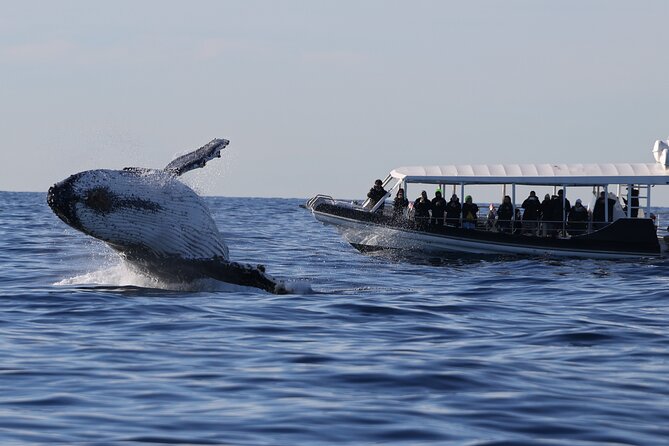
- Campbell’s Cove meet-up: easy to find at Circular Quay, right by The Rocks.
- Speed that helps: the vessel is set up to get you to the search area fast.
- Jackets provided: wind/waterproof gear cuts the chill while you watch.
- Cruise alongside humpbacks: once spotted, you travel near the pod for photo chances.
- Small group size: capped at 25 travelers for a more personal feel.
- Local experts: the skipper and crew explain what to watch for as you scan the water.
Circular Quay to the Tasman Sea: why this trip feels personal
I like Sydney whale watching when it feels like you’re actually out in the migration route, not just passing by from far away. This one earns that vibe because the trip is built around speed and close-up conditions. You start at Campbell’s Cove on the Circular Quay side, then head out into the Tasman Sea in search of humpback whales.
The description highlights a low position in the water and a design that avoids the usual sight-blocking problems you can get on other boats. In plain terms: you’re sitting nearer the action, and the crew works hard to help you spot blows, surfacing, and movement patterns quickly.
And yes, you do get harbour scenery at the start. But the real reason people book this tour is what happens after you leave the lights and look for whales beyond the harbour mouth.
You can also read our reviews of more boat tours in Sydney


The boat setup: canopy, closeness, and how to dress
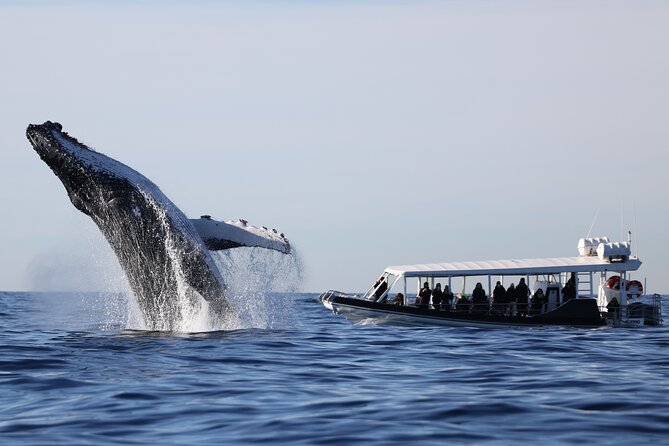
This experience includes wind/waterproof jackets. That matters more than you’d think. Even on a warm day, the open water can feel chilly once you’re moving and the spray starts. The jackets are there so you can focus on scanning the horizon instead of hunching against the wind.
The vessel is also described as open in design and low in the water. That’s a double-edged sword. On the plus side, it helps with unobstructed, up-close viewing while you’re cruising alongside whales. On the downside, it’s not the kind of ride where you forget you’re on the ocean. Plan for wind, spray, and a bit of motion.
One more practical detail: this trip has a minimum age of 12 years old. If you’re traveling with teenagers, it’s a good fit because there’s enough action to keep attention. Younger kids may be a tougher call due to the speed and the open-air wind.
Meeting at Campbell’s Cove: quick logistics that actually matter
You’ll start and end at the same place: Campbell’s Cove Pontoon at Circular Quay (The Rocks). The tour instructions are simple: type Campbell’s Cove Pontoon into Google for directions.
Why I like this kind of meeting point: you’re in a major transit hub area. You’re not making a long taxi trek just to start the activity, and you’re not stuck in a remote pickup zone with uncertain timing.
You’ll also have a mobile ticket, which is handy when you’re mixing this with other Sydney plans. The trip runs about 2 hours, so it’s doable even if you’re balancing a sightseeing day.
On the water: how the Sydney Harbour sights fit the story
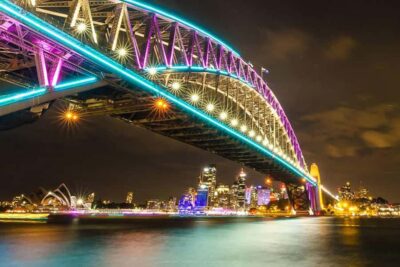
The trip includes a sequence of harbour landmarks before you’re fully out at sea: views around Sydney Harbour Bridge, the Sydney Opera House, and then back through the harbour area before heading offshore to the Ocean Extreme search zone.
Here’s how I’d think about those early stops. You’re not getting a long guided walk-through. Instead, you get moving, framed views while the boat is repositioning you for the whale search. It’s basically your setup phase: enjoy the skyline while you transition from city harbour to open water.
Sydney Harbour Bridge stop: the “we’re really leaving” moment
Seeing the Bridge from the water is quick and iconic. It also acts like a mental marker. Once you’re moving past it, you know the trip is no longer a harbour cruise.
Drawback to keep in mind: the best photos often require you to be ready immediately. When the boat is on the move, your best angle might last only seconds.
You can also read our reviews of more whale watching tours in Sydney

Sydney Opera House stop: the quick photo frame
The Opera House sight works the same way—moving views, quick angles, and a skyline shot that’s hard to replicate from land. If you want photos, bring your phone/camera securely and be ready for the boat to shift speed or direction.
The time here is brief, so don’t plan on a long stop for photos. Your whale time is the payoff.
Back through Sydney Harbour: setting expectations
This part is about the transition. It helps you get oriented to where you are in relation to the city while the crew is positioning the boat for offshore search.
If you’re prone to motion discomfort, this is a decent moment to take it easy—let the ride settle before the pace picks up in open water.
Ocean Extreme: where the whale search turns real
The final stage is labeled Ocean Extreme, which is the offshore zone where you look for humpback whales. This is the part you actually came for.
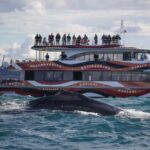
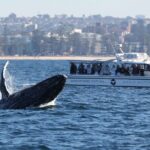
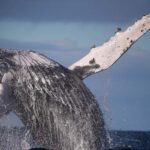
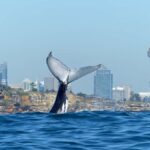
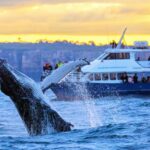
Once the crew spots whales, you get the chance to cruise alongside them. The trip promises plenty of photo opportunities once you’re near the pod. And the way the experience is described suggests you’re not simply chasing the animals. The aim is to observe and travel near their natural migration while keeping a respectful distance.
One of the best parts is the instruction. The skipper explains what to look for as you search for humpbacks—things like how they surface and what movement patterns can signal activity. In a good whale outing, learning boosts your satisfaction fast, because you start recognizing signs instead of waiting blindly.
In the reviews, the onboard crew is repeatedly praised for making the trip exciting and educational, including names like Paul and Luke. That’s a hint that you’re likely to get more than silence and scanning. You’ll probably have moments where the crew points out what you’re seeing in real time.
Cruising alongside humpbacks: what “up close” usually means

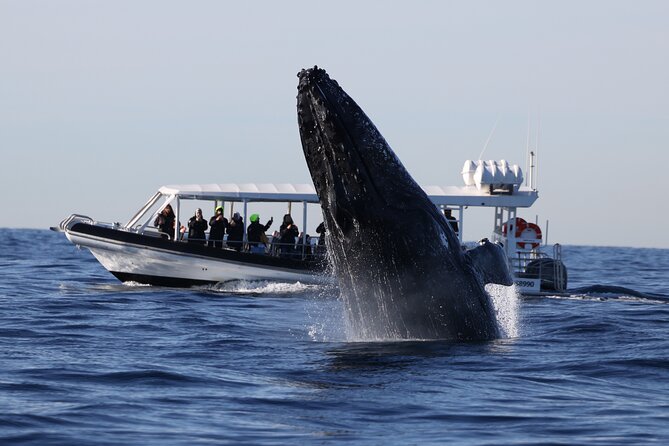
Humpback encounters can vary. Sometimes you get multiple surfacings close together. Sometimes you get one whale that shows up repeatedly. The key is that the boat’s setup aims for closeness, and the crew works to get you in position once whales are located.
Expect to spend time traveling alongside the pod when conditions allow. That’s where you get your most memorable views: the scale of the whale from water level, the rhythm of surfacing, and the way they move through the water.
If you’re the type who wants a checklist experience—spot whale, photograph whale, leave—this trip tries to deliver that. But it also has a “watch closely” side because the crew helps you understand what you’re seeing. That turns a single sighting into a fuller experience.
Also worth noting: one review specifically praised how the crew respected the whales’ space and kept the experience eco-friendly in their approach. While you should always be cautious about how any operator defines eco-friendly, it’s a strong sign that they’re aware this isn’t a ride where you blast around recklessly.
Price and value: is $98.93 a good deal?
At $98.93 per person, this isn’t the cheapest way to see whales. But it’s priced in the category of “you’re paying for speed, boat design, and time on the water.”
Here’s what you get for the money, based on the tour info:
- About 2 hours on the water
- A fast speed-boat style setup intended to reach the search area quickly
- Wind/waterproof jackets included
- A skipper/driver who guides and helps you look for humpbacks
- Taxes and fees included
- A capped group size of 25 travelers
So where does the value come from? You’re paying for:
1) a better chance at close-up viewing (because of the boat’s design and positioning), and
2) fewer “dead minutes” spent still or far away.
If your priority is maximum comfort and a long lounge-style ride, you may find this kind of fast boat experience more intense than you expect. But if you want a hands-on encounter—where you’re actively searching and then actively cruising near whales—this price looks more fair.
Who this is best for (and who should think twice)
This tour is a strong match if:
- you want close whale viewing from water level
- you like fast, action-focused sightseeing
- you appreciate commentary that helps you spot what’s happening on the water
- you’re okay with wind and spray (jackets help, but you’ll feel the ocean)
It’s a poor match if:
- you have conditions listed by the operator such as back/neck/shoulder injuries, heart conditions, pregnancy, or injuries/conditions that could make riding risky
- you want a fully sheltered boat experience where you can mostly ignore weather
- you’re not comfortable with the speed and movement that come with a speed-boat format
If you’re on the fence, think about what you’re optimizing for: comfort from the start, or the best chance at a close encounter.
How to make your whale watch day work smoothly
This is one of those Sydney tours where your best plan is to keep the day flexible. Good weather matters, and the operator notes the experience requires good weather. If conditions aren’t right, you’ll be offered a different date or a full refund.
I also suggest dressing like you’re going to be outside for a while at sea:
- wear layers
- use the jacket they provide
- keep your phone/camera secured
Bring patience too. Whale watching isn’t “factory output.” You’re scanning the ocean, then responding when whales appear. A good crew helps a lot here, and the on-board personalities named in reviews like Paul and Luke suggest the vibe is upbeat and not stiff.
The bottom line: should you book it?
Book it if you want the most “hands-on” whale watching you can do from Sydney Harbour—close to the water, focused on seeing humpbacks, and helped along by a crew that talks you through what you’re spotting. The mix of speed, included jackets, and a small cap of 25 travelers makes it a solid value for the experience you’re after.
Skip it (or at least reconsider) if open-air, wind, and ocean motion would bother you, or if you’re affected by the operator’s health limitations. And if your idea of a perfect day is a long, calm, sheltered cruise, this is likely more intense than that.
If you match the target—ready for fast action and big nature moments—this is the kind of Sydney trip that sticks.
You Might Also Enjoy



More Whale Watching Tours in Sydney
More Boat Tours & Cruises in Sydney


More Tour Reviews in Sydney
- Blue Mountains Small-Group Tour from Sydney with Scenic World,Sydney Zoo & Ferry
★ 5.0 · 3,709 reviews