REVIEW · SYDNEY
WILD LIFE Sydney Zoo
Book on GetYourGuide →Operated by Merlin Entertainments Group · Bookable on GetYourGuide
Sydney’s zoo run feels like a native-animal game.
WILD LIFE Sydney Zoo is a smart, city-friendly way to see iconic Australian wildlife up close without hopping between far-flung destinations. I like how much time you can spend at the kangaroo and koala areas, with interactive displays and keeper-style moments that keep the visit moving. The one thing to watch for is that the park is compact, so it can feel busy at peak times, and optional add-ons like koala photos can push the total cost up.
You’re based in Darling Harbour at Aquarium Wharf, with a walk-through setup that takes you through 9 habitat zones and more than 100 species of animals. It’s open 10:00 AM to 4:00 PM (last entry 3:00 PM), so it’s also a good plan when the Sydney heat makes long outdoor sightseeing annoying.
In This Review
- Quick hits you’ll feel in real life
- WILD LIFE Sydney at Aquarium Wharf: a zoo inside Darling Harbour
- Nine habitat zones, one self-guided route through Australia
- Kangaroos and wallaby cliffs: the walk-through part
- Koalas, wombats, and echidnas: cuddly, then busy burrows
- Crocodiles, turtles, and the Rex factor
- Rainforest and Top End scenery: Daintree and Kakadu in a city
- Butterflies and snakes: where the foliage is part of the show
- Keeper talks: how to get more out of your visit
- Price and time value: is $27 per person worth it?
- Practical tips for a smooth visit in the Sydney heat
- Who this suits (and who might want a different zoo)
- Should you book WILD LIFE Sydney Zoo?
- FAQ
- Where is WILD LIFE Sydney Zoo located?
- How much does it cost?
- How long is the experience?
- What are the opening hours?
- Is a guided tour included?
- Is a photo with koalas included?
- What’s included with entry?
- Is the attraction wheelchair accessible?
- What is the cancellation policy?
Quick hits you’ll feel in real life
- Walk-through kangaroo habitat plus rock-wallaby viewing at Wallaby Cliffs
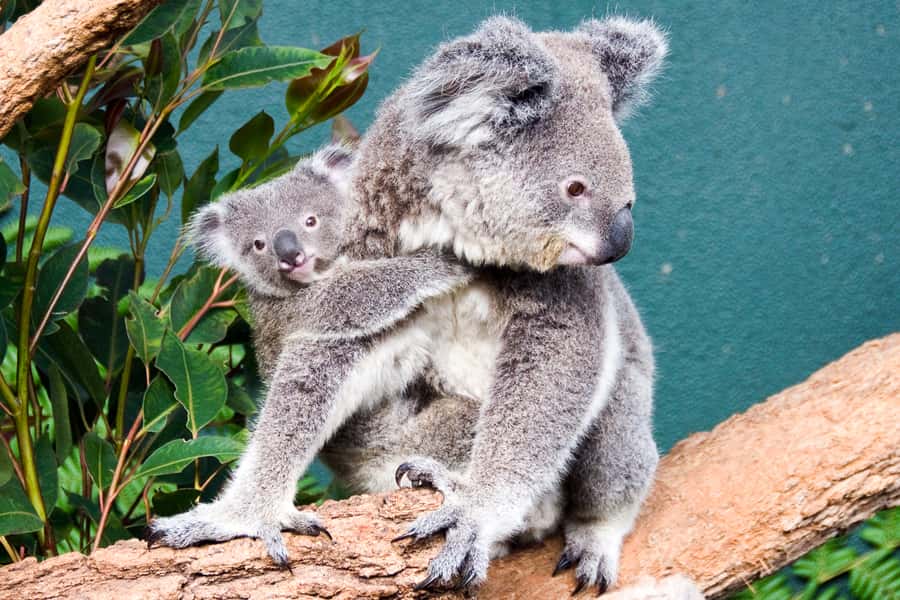
- Koala area with optional photo (close, but no touching)
- Rex the crocodile is a real draw for families and serious reptile fans
- Top End scenery indoors/outdoors in one circuit, with Daintree Rainforest and Kakadu Gorge recreations
- Butterflies and snakes show up in the foliage areas, which is great if you like wildlife variety
- Keeper talks add context and make the whole visit feel less random
WILD LIFE Sydney at Aquarium Wharf: a zoo inside Darling Harbour
This is WILD LIFE Sydney Zoo at Aquarium Wharf in Darling Harbour. That location matters. It means you can do it even if your day is already packed with the harbor sights, museums, or ferry time.
The atmosphere is part zoo, part self-guided animal walk. You’re not waiting on a bus, you’re stepping from one themed habitat zone to the next. In practice, that makes it easier to fit into a half-day to full-day rhythm, especially with kids.
Price-wise, $27 per person isn’t dirt cheap, but it’s also not a luxury add-on. The value comes from the fact that you’re buying a cluster of Australian animals—koalas, wombats, kangaroos, and more—without needing multiple separate tickets or travel days.
You can also read our reviews of more tours and experiences in Sydney
- Blue Mountains Small-Group Tour from Sydney with Scenic World,Sydney Zoo & Ferry
★ 5.0 · 3,709 reviews

Nine habitat zones, one self-guided route through Australia
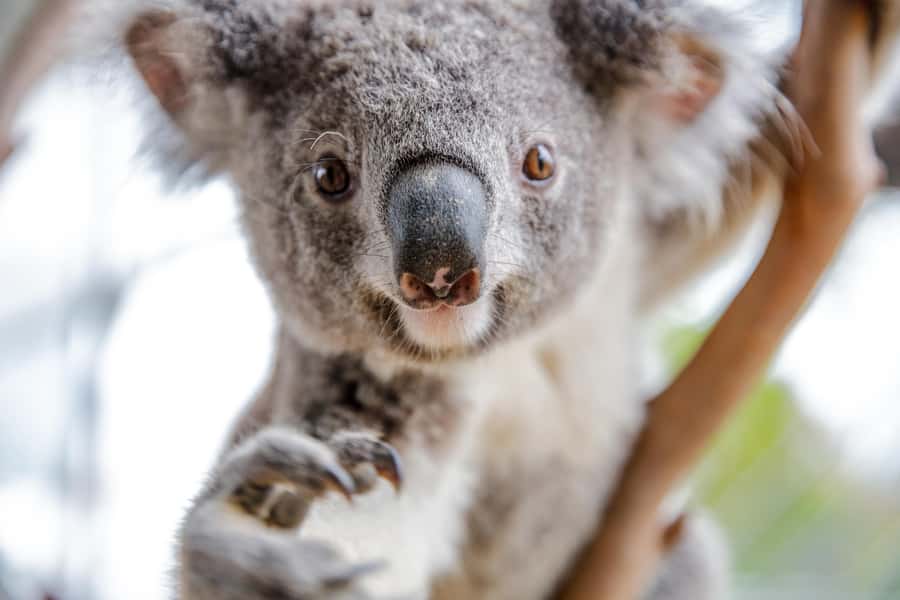
The big idea here is simple: you can walk through a set of Australian-themed habitat zones without leaving Sydney. The entry includes 9 habitat zones and over 100 species of Australian animals, which is exactly how this place justifies itself as a one-day outing.
One of my favorite things about this format is that you can move at your pace. If you want to pause for rock-wallabies hopping around jagged rocks, you can. If you’d rather spend longer near crocodiles and turtles, you can do that too. There’s enough variety that you’re unlikely to feel like you watched the same animal story 9 times.
The only caveat is that the layout can feel tight. Some parts are great for close viewing, but that also means people stack up in spots where the animals are active. If you’re sensitive to crowds, aim for earlier entry.
Kangaroos and wallaby cliffs: the walk-through part
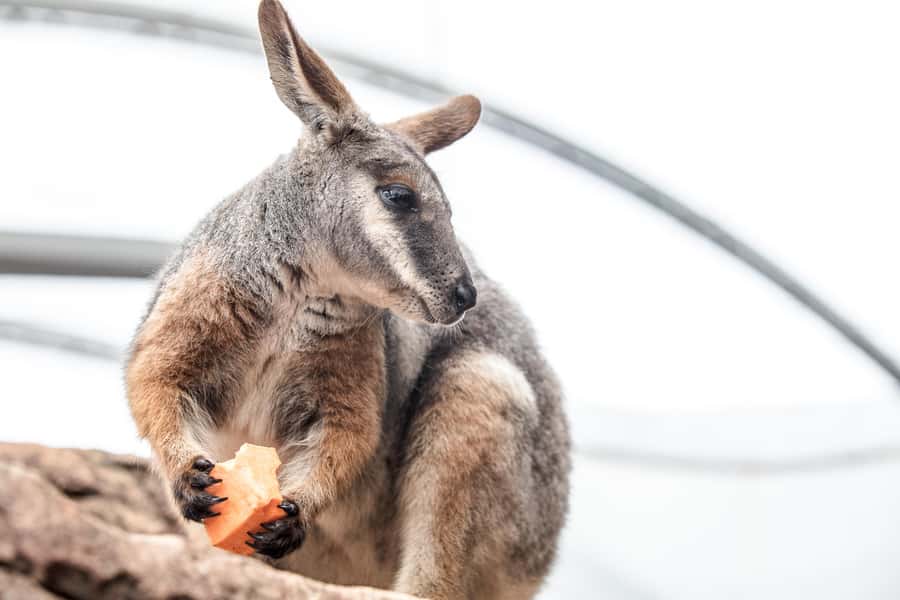
If you come for anything first, it’s usually the kangaroos. WILD LIFE Sydney Zoo leans hard into that with a walk-with-kangaroos setup. The experience feels different from a standard viewing barrier because you’re in the animals’ space during the encounter.
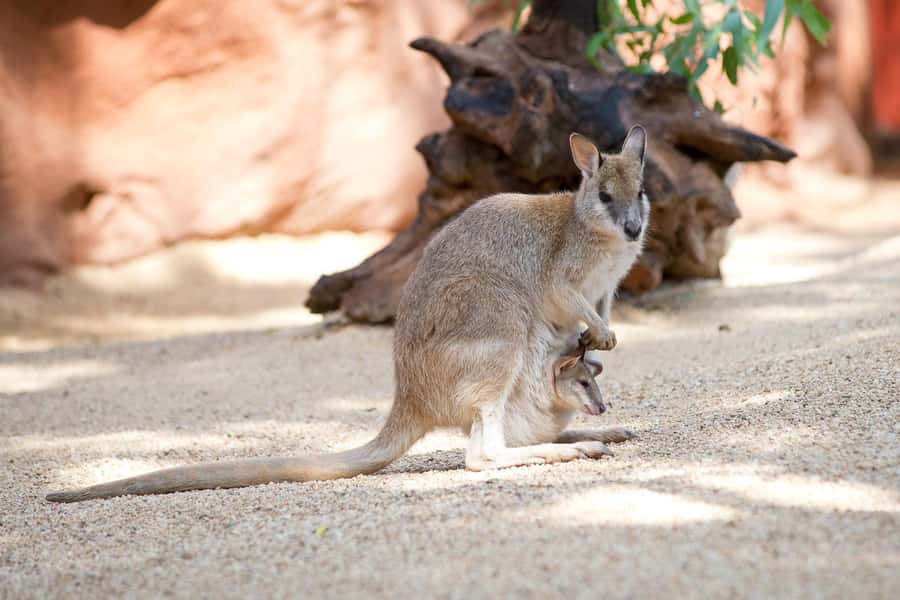
Right nearby, you’ll find Wallaby Cliffs, where you can spot yellow-footed rock-wallabies. These are the ones worth lingering over. They’re tough, adapted, and built for hopping over rocky terrain, so the viewing is often more dynamic than you’d expect from a small zoo corner.
This is also where the crowd factor shows up. The walk-through and the rock-wallaby viewing area can become popular photo stops. If you see the vibe shift into a line, give it a few minutes and try again when the animals reposition or the crowd thins.
Koalas, wombats, and echidnas: cuddly, then busy burrows
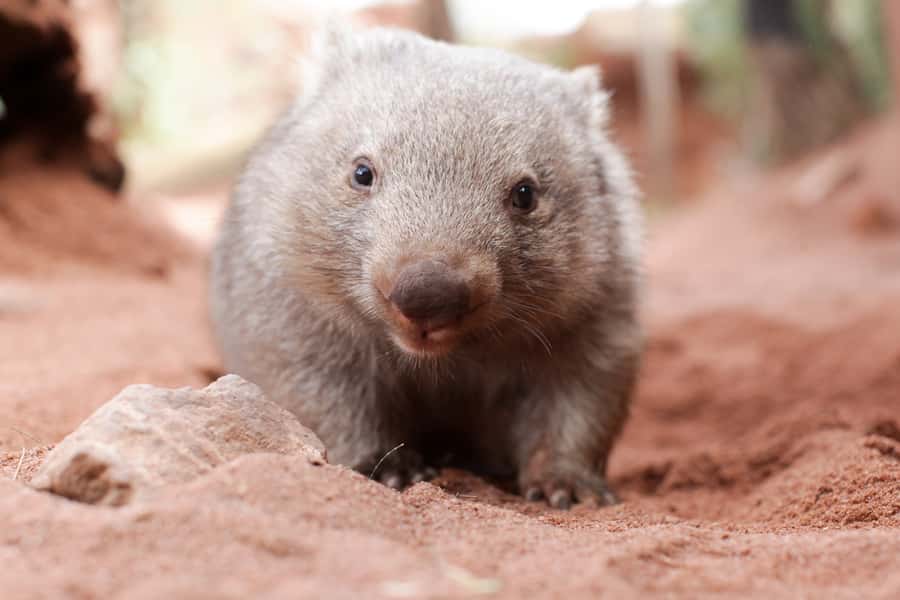
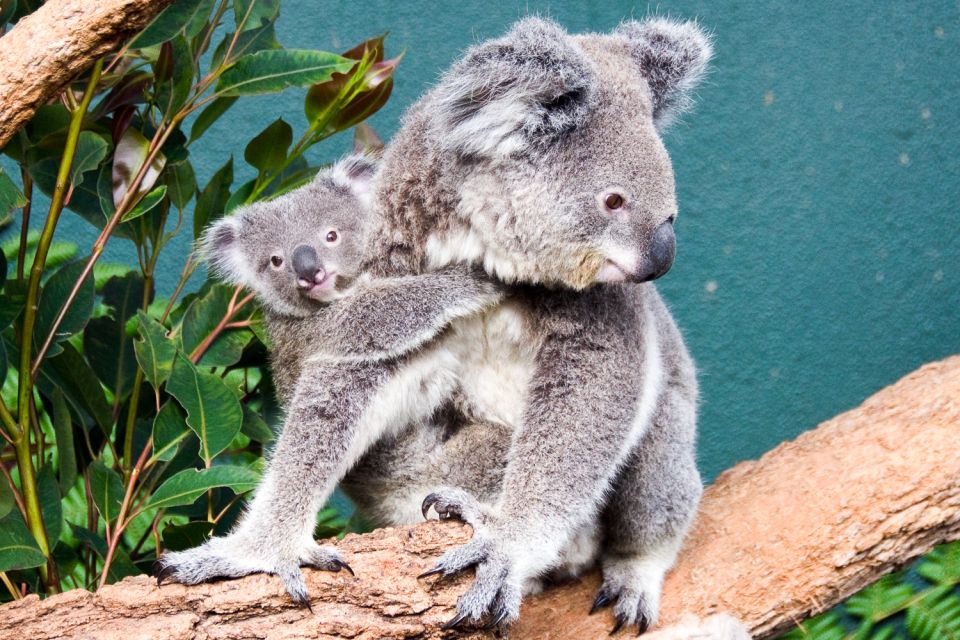
Koalas are a centerpiece here, and you’ll see them as part of the included experience. The ticket covers entry and close encounters, but the photo with koalas is an extra option. It’s close enough for memorable pictures, and it’s not about touching—so it’s a safer, more controlled kind of closeness than some people imagine.
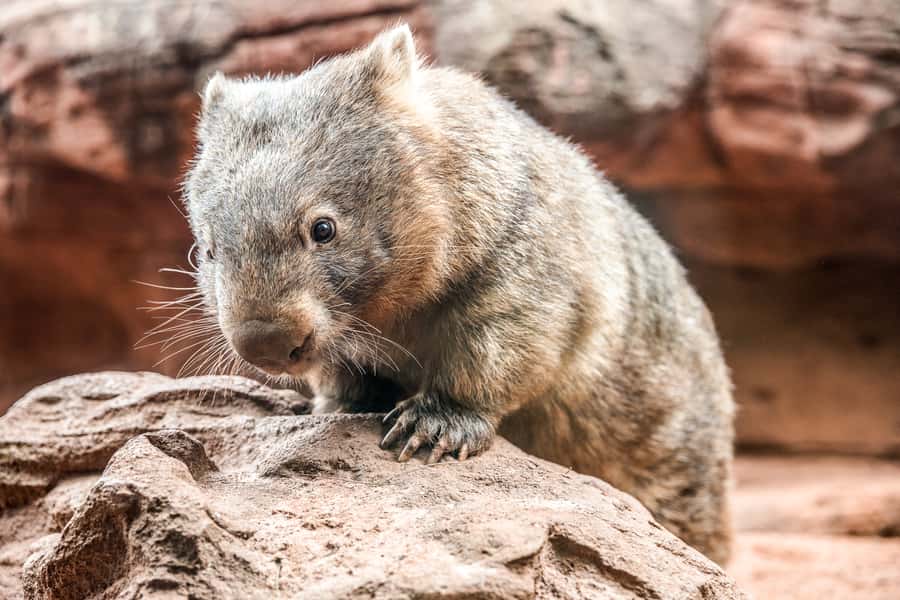
Wombats are another highlight. In the habitat descriptions you’ll see hairy-nosed wombats grazing and sheltering down deep burrows. In other words, this isn’t just a “spot the animal” stop. It’s a “watch how they use the habitat” stop.
If you’re an animal-list checker, you may also spot echidnas during your visit. Reviews from past visitors also mention echidnas and pademelons, which fits the zoo’s overall focus on native Australian wildlife rather than generic zoo species.
Crocodiles, turtles, and the Rex factor
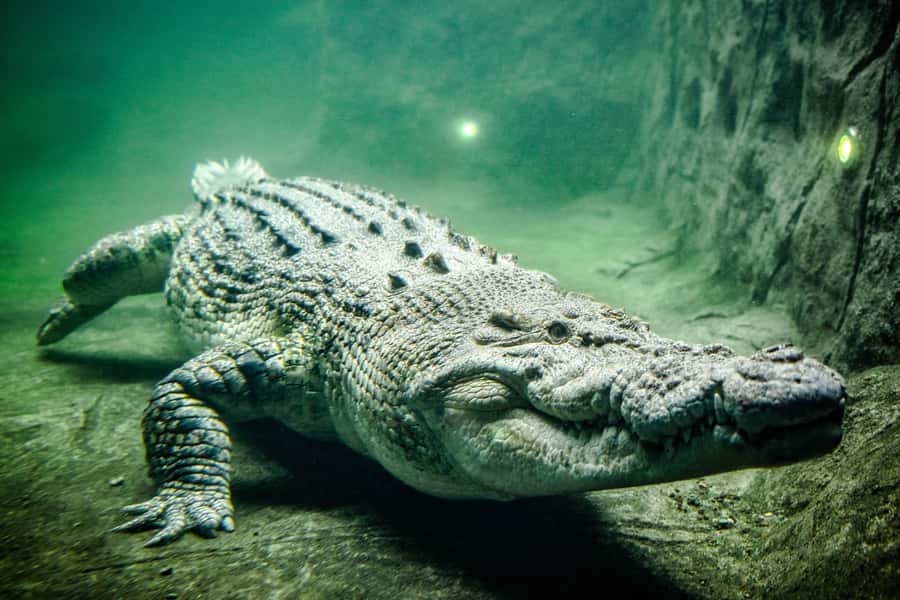
Say hello to Rex the crocodile. That name alone is enough to pull in families, but the real reason it works is that crocodiles and turtles are naturally “slow and watchable” animals. Even when you don’t catch them moving, you can still read the behavior.
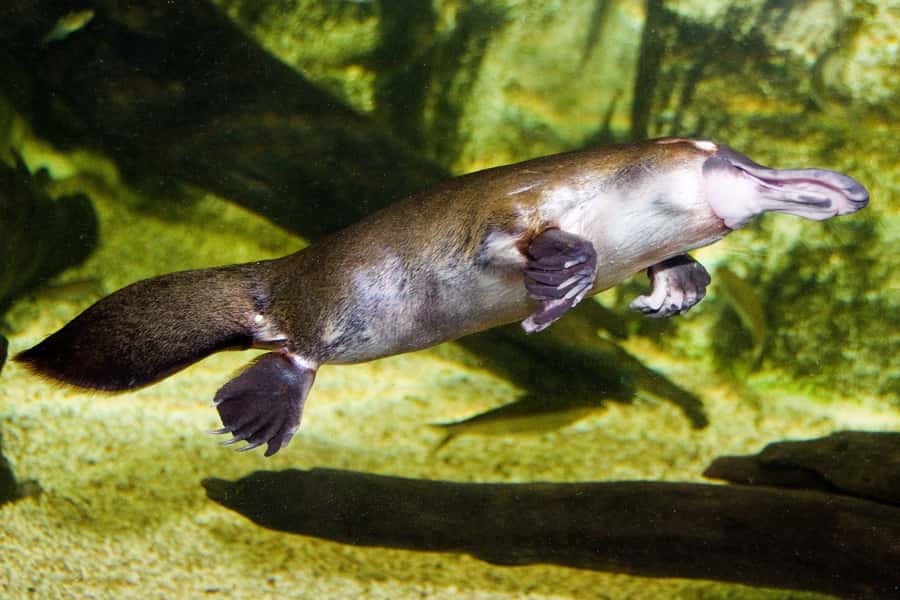
The water habitats are part of the show. The zoo’s design includes water glides for turtles and crocodiles, so you can watch them cruise and settle. It’s a good contrast to the more energetic parts of the circuit like kangaroos and wallabies.
If your group includes little kids, this is a nice mid-visit reset. You’ve got a chance to slow down, point out features, and let the animals do what they do best: hang out like it’s their job.
One consideration: reptiles and snakes appear in the foliage zones. That’s great for wildlife lovers, but if someone in your group really dislikes snakes, you may need to manage expectations.
- Blue Mountains Small-Group Tour from Sydney with Scenic World,Sydney Zoo & Ferry
★ 5.0 · 3,709 reviews


Rainforest and Top End scenery: Daintree and Kakadu in a city
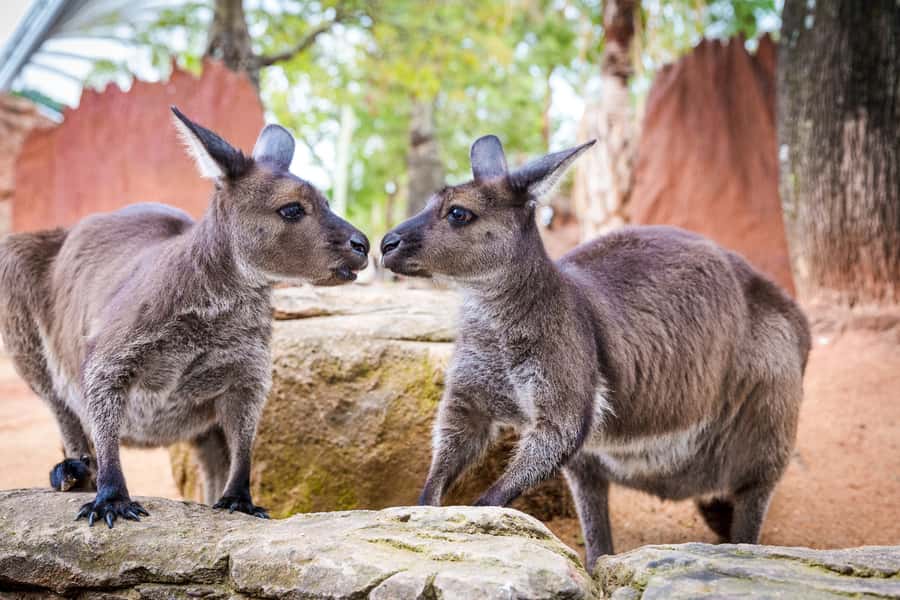
One of the clever things this zoo does is give you “Australia distance” without the travel distance. You’ll move through a recreation of the Daintree Rainforest and Kakadu Gorge, plus Northern Territory Top End style scenery like gorges, grassland, floodplains, and estuary flats.
This matters because it changes the feeling of the visit. Instead of a simple checklist of animals, you get a sense of different environments. That can also help kids understand that animals aren’t just separated by fences—they belong to ecosystems.
In a one-day attraction, this is a high return design choice. You get variety in visuals and animal behaviors, and you can keep engagement high by pairing habitat cues with what you’re seeing. When you’re looking at rocky wallaby cliffs, that’s one story. When you’re in the Top End-style zone, the animal cues make more sense.
Butterflies and snakes: where the foliage is part of the show
The zoo includes areas with butterflies and snakes, and the foliage is part of the atmosphere. That’s not a minor detail. It changes how you experience the animals because you’re looking for movement in plants, not just a brightly lit enclosure.
Butterflies tend to be the easy win for most visitors: color, motion, and short “spot and point” moments. Snakes are more polarizing. For many people, it’s exciting because you get a closer look at a creature that usually feels mysterious. For others, it can be stressful, especially if you’re expecting a gentle day.
If you want to keep the whole group comfortable, treat these zones like “choose your own intensity” stops. Spend longer if it feels fun. Walk through faster if you’d rather skip.
Keeper talks: how to get more out of your visit
The ticket includes keeper-style talks, and that’s one of the best value add-ons in the whole experience. Animal encounters are great, but talks give you the meaning behind what you’re seeing—why an animal behaves a certain way, what adaptations help it survive, and how the zoo cares for it.
In plain terms: this is where your visit stops being random and starts feeling intentional. You can also use the talks to ask simple questions, especially if you’re traveling with kids or you want to understand the difference between similar-looking animals.
Even if you’re only able to catch one talk, it can tie the visit together. It’s also a nice indoor-safe break from the heat, since you can shift your time while still learning.
Price and time value: is $27 per person worth it?
At $27 per person for a 1-day admission, value depends on what you’re comparing it to. If your alternative is paying for multiple sightseeing stops across Sydney, this is a straightforward way to get lots of Australian animal time in one place.
The strongest value points are:
- Multiple iconic species included (koalas, kangaroos, wombats, and more)
- Nine habitat zones that make the route feel longer than a typical small enclosure cluster
- Over 100 species of Australian animals for a compact outing
Where the cost can creep up is the optional photo with koalas. Reviews also note people pay extra for that, and it’s not included by default. If you want the photo, factor it into your budget at the start so the day doesn’t feel like it got more expensive mid-visit.
A final value note: this works especially well as a heat-proof plan. People love it because you can spend a couple hours without being outdoors for long stretches.
Practical tips for a smooth visit in the Sydney heat
Start by planning around the opening hours. The zoo runs 10:00 AM–4:00 PM, with last entry at 3:00 PM. If you arrive later, you may not have time to linger at the animals that hold your attention.
Because the park is compact, I recommend you pick one or two “anchors” for your day. For many people, that’s the kangaroo walk-through and the koalas. For others, it’s Wallaby Cliffs and Rex the crocodile. Then build the rest of the circuit around those anchor stops.
Food-wise, the on-site cafe can be small. Past visitors describe it as tiny but with seating that lets you look at koalas. If you’re traveling at peak lunch time, plan for limited seating and consider bringing snacks so your energy stays steady.
Also check the meeting point for your booking option. The meeting point can vary depending on what you chose, so don’t assume it’s the same exact entrance every time.
Who this suits (and who might want a different zoo)
WILD LIFE Sydney Zoo is best for people who want native Australian wildlife in a single day—especially families, first-timers to Sydney, and anyone who doesn’t want to spend a whole day traveling between attractions.
It’s also a solid pick if you want close viewing without a long schedule. The visit is self-guided, and the keeper talks add structure without turning it into a rigid tour.
If your group is extremely snake-sensitive, you may want to think twice. The foliage zones include snakes, and that’s part of the experience design. Also, if you hate crowds, know the park’s compact layout can get busy around the popular exhibits.
Should you book WILD LIFE Sydney Zoo?
I think it’s a good booking if you want a focused Australian-animal day inside Sydney’s harbor area. For $27, the included mix of kangaroos, koalas, wombats, crocodiles, butterflies, and habitat zones gives you a lot of wildlife time for one ticket.
Book it when:
- You want one-day, native-animal value
- Your day needs an indoor-friendly or heat-friendly plan
- You’re okay with optional add-ons like koala photos
Consider skipping or adjusting expectations if:
- Your group dislikes snakes or gets anxious around them
- You strongly prefer big, spread-out zoos with fewer people
If you go with a simple plan—pick your anchor animals, start earlier, and leave room to pause—you’ll get a visit that feels fun, not rushed.
FAQ
Where is WILD LIFE Sydney Zoo located?
It’s located at Aquarium Wharf in Darling Harbour, New South Wales, Australia.
How much does it cost?
The price is $27 per person.
How long is the experience?
It’s valid for 1 day. Check availability for starting times.
What are the opening hours?
The zoo is open 10:00 AM to 4:00 PM, with last entry at 3:00 PM.
Is a guided tour included?
No. A guided tour is not included.
Is a photo with koalas included?
No. Photo with the koalas is not included, and you may need to pay extra for that option.
What’s included with entry?
Entry includes WILD LIFE Sydney entry, close encounters with koalas and other iconic marsupials, 9 authentic Aussie-themed habitat zones, and over 100 species of Australian animals.
Is the attraction wheelchair accessible?
Yes, it is wheelchair accessible.
What is the cancellation policy?
Free cancellation is available up to 24 hours in advance for a full refund.
You Might Also Enjoy
More Zoos in Sydney
- Blue Mountains Small-Group Tour from Sydney with Scenic World,Sydney Zoo & Ferry
★ 5.0 · 3,709 reviews

More Tour Reviews in Sydney
- Blue Mountains Small-Group Tour from Sydney with Scenic World,Sydney Zoo & Ferry
★ 5.0 · 3,709 reviews