REVIEW · SYDNEY
Sydney Wildlife Safari
Book on Viator →Operated by Sydney Bespoke Tours · Bookable on Viator
Platypus season is basically a choose-your-own-adventure.
This Southern Highlands wildlife safari trades city time for private farmland and bushland, with a guide who helps you spot animals across the afternoon and into the night. You’ll learn how the Great Western Wildlife Corridor links habitats between the southern Blue Mountains and Morton National Park, then use that knowledge to read the terrain.
Two big reasons I’d pick this: first, the chance at a wide spread of sightings in one day, including birds plus mammals (people have reported over 30 species), and second, the guide-style focus on timing and tracking, with guides like Steve and Emma praised for hitting the right places when wildlife is active. One fair heads-up: you’ll walk on uneven trails and river banks, sometimes steep and slippery, so it takes moderate fitness and good shoes.
In This Review
- Key takeaways before you go
- From Circular Quay to Bowral: how the day starts
- Southern Highlands spotting: birds, bush edges, and the Wildlife Corridor
- The private farmland-to-bushland approach (and what it means for you)
- Dusk river search for platypus: how luck meets timing
- Pub dinner at Australia’s oldest licensed inn
- Night spotlighting: wombats, possums, and Tawny Frogmouths
- Price and logistics: what $304.83 buys you
- Walking pace, shoes, and who should (and shouldn’t) go
- How to maximize your odds (without stressing out)
- Should you book the Sydney Wildlife Safari?
- FAQ
- What is the duration of Sydney Wildlife Safari?
- Where does the tour start and where does it end?
- What time does it start?
- How many people are on the tour?
- What is included in the price?
- Do I get binoculars and spotlights?
- What wildlife can I expect to look for?
- Is alcohol included with dinner?
- Is the tour suitable for people with limited mobility?
- What happens if weather is poor?
Key takeaways before you go
- Small group (max 8): more attention, fewer distractions, and quieter spotting.
- Corridor conservation focus: you’re not just watching animals; you’re learning how habitats connect.
- Binoculars + handheld spotlights provided: you’re set up for day birds and night mammals.
- Dusk river platypus search: rare, weather- and luck-dependent, but the timing matters.
- Dinner at an old licensed inn: a real sit-down break before night spotlighting.
From Circular Quay to Bowral: how the day starts
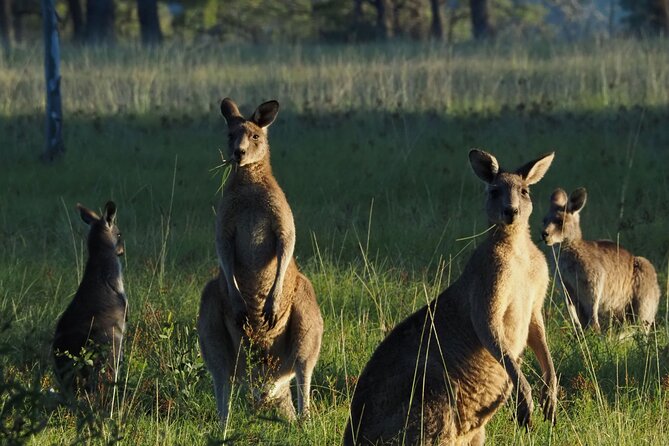
This day trip runs long enough to feel like you left the city for real. It starts at 12:00 pm at the Sydney Harbour Marriott Hotel at Circular Quay, right at the center of things and near public transport. Then you’ll point the car south and settle in for the drive to the Southern Highlands town of Bowral, about 90 minutes away.
What I like here is that the day does not start with guesswork. Early on, your guide sets expectations for what you might see and what timing can do for spotting. You’ll also learn how sightings are recorded, which sounds nerdy until you realize it helps you pay attention in a structured way. Instead of just hoping for the moment, you’re watching for clues and patterns.
Around arrival, you get a light lunch—think gourmet wraps—so you’re fueled before the afternoon outdoors. Then the focus shifts from driving time to learning time: local wildlife conservation projects, monitoring programs, and signs to look for when tracking more elusive animals. That matters because in wildlife country, the best moments often come from reading the landscape (literal terrain), not from chasing every sound.
You can also read our reviews of more tours and experiences in Sydney

Southern Highlands spotting: birds, bush edges, and the Wildlife Corridor
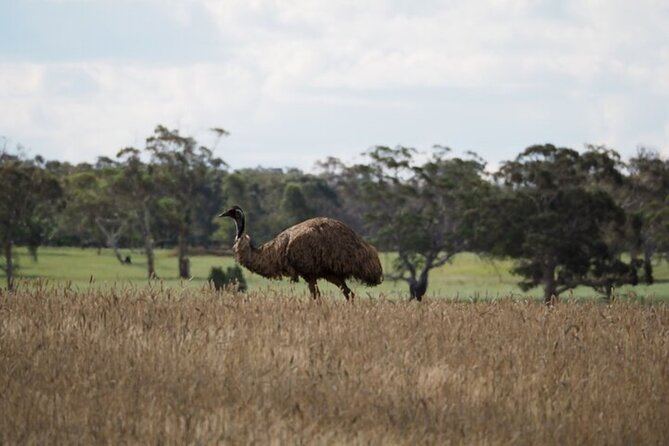
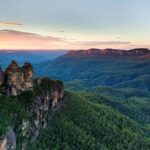
Once you’re in the Southern Highlands, the experience leans into exactly what makes this area special: a mix of birds, open spaces, and wildlife habitat that supports movement between protected areas. A key lesson is the Great Western Wildlife Corridor—an important habitat link that helps animals move safely between the southern Blue Mountains and Morton National Park.
In plain terms, you’re learning why some animals show up in certain places and at certain times. Birds may be active in one kind of patch of bush, while mammals may be more likely along edges where cover meets open ground. Your guide’s job is to help you spot those patterns without making the hunt feel chaotic.
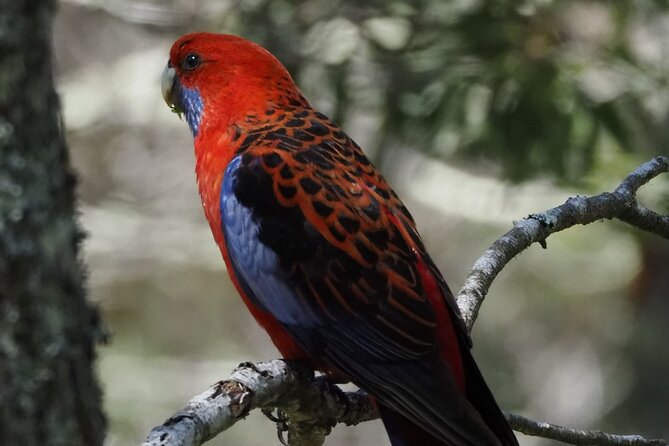
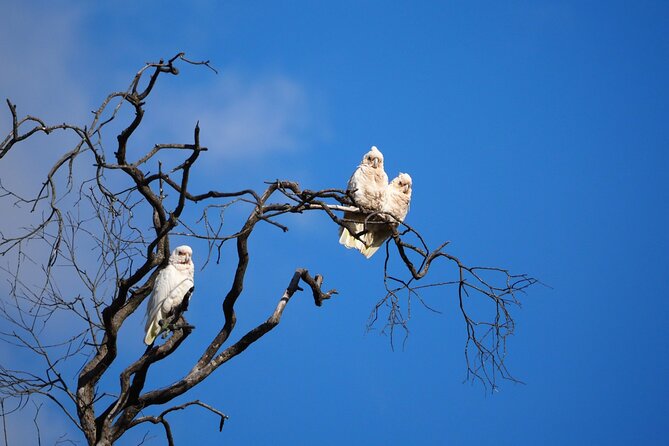
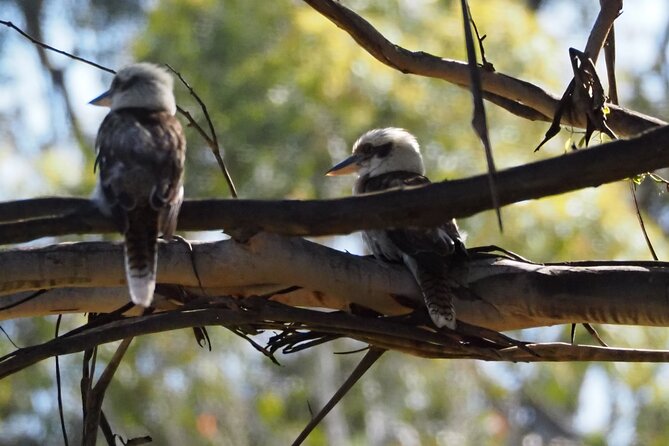
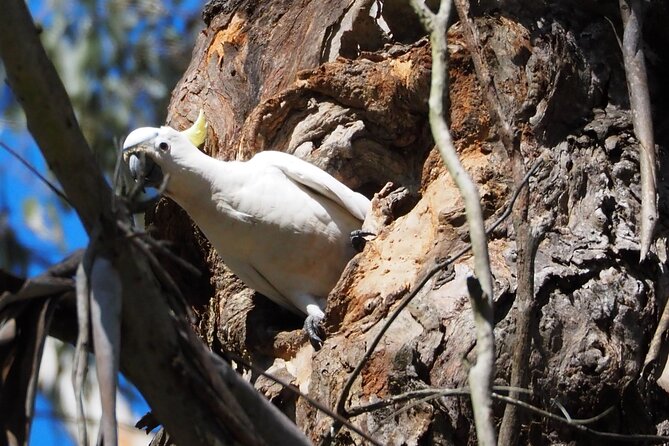
You’ll spend the afternoon at several locations, and the bird action is a big part of it. Kookaburras are specifically called out, and parrots are also mentioned as flashing through trees. The best part isn’t just seeing a single standout animal—it’s getting enough time to watch behavior: where they pause, where they call, and how the movement changes across the day.
Practical note: you’ll be given binoculars and wildlife reference guides, and you’ll be encouraged to use them. Binoculars make a huge difference when you’re dealing with small, fast creatures in the trees. The guides also keep you from wandering off into guesswork, which can happen when you’re excited and everything looks interesting.
Potential drawback here: the wildlife you want most—especially the rare stuff—can’t be forced. The afternoon can still be fantastic even if you don’t see every headline species. That’s why the conservation lessons and the method of tracking are valuable: they keep the day rewarding in real life, not just on a wish list.
The private farmland-to-bushland approach (and what it means for you)
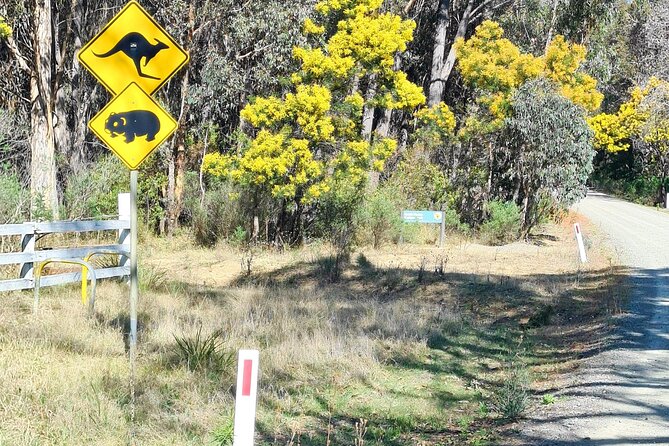
This tour is designed around access: private farmland and untouched bushland. That matters because wildlife often uses multiple habitat types in a single day. Farm edges can bring animals into view near open areas, while the bush supports cover, nesting, and feeding.
I like that you’re not just driving through a scenic area. You’re out in it, with a guide scanning and helping you read signs. You’ll also learn how monitoring works—what people look for and how they keep tabs on animals without disturbing them.
With a maximum group size of 8 travelers, you also avoid the common problem of too many people clumping in one spot. Smaller groups mean you can actually watch. It’s easier to hear calls, see movement, and get a clear view with binoculars.
Comfort-wise, you’re not stuck out in the elements all day without breaks. The day includes comfortable air-conditioned transport, plus a lunch and a full dinner. That balance is part of the value: you get extended time in nature, but you also get enough structure to make a 10-hour outing feel manageable.
Dusk river search for platypus: how luck meets timing
Dusk is where this safari turns into a story you tell later. At that point, you’ll visit a quiet river to search for wild platypus. It’s described as rare and magical, and the key thing to understand is that this part is not guaranteed.
What makes the hunt worthwhile is the timing. Platypus activity is linked to specific conditions, and your guide’s role is to stack the odds by choosing the right moment for searching. You’ll arrive at dusk as the light shifts and then look for signs rather than just hoping for a flash.
If you’re the type who wants the thrill of a potential big sighting, this is your payoff. If you’re more “show me the evidence,” you’ll still enjoy it because you’re learning how to observe carefully. The rest of the day gives you that observational practice, so when it’s time for platypus you’re already trained to notice.
One more practical thing: the tour provides handheld spotlights and you’ll use them during the night portion, but the platypus search is about being careful and present. That means keeping noise low and giving your guide room to direct attention.
Even if you don’t spot a platypus, the dusk river time is still one of the most atmospheric stretches of the outing. The day stops being a checklist and turns into a calm wildlife moment.
Pub dinner at Australia’s oldest licensed inn
After the river search, you’ll have dinner at Australia’s oldest licensed inn. This is a smart break in the rhythm of the day. You’ve been walking and watching during daylight hours, then you’ve gone through dusk searching. A proper meal keeps everyone sharp for the final night segment.
The dinner is a classic country pub style, and it includes a drink—alcoholic or non-alcoholic. If alcohol is part of your plan, note the minimum age to consume is 18, and photo ID may be requested. If you’d rather keep it simple, the non-alcoholic option is included too.
I also like the value of this meal because it’s not just food. It’s a psychological reset. Night spotlighting can be intense in the best way, but you need energy. Dinner makes the second half feel like a planned safari segment, not an exhausting scramble.
You can also read our reviews of more tours and experiences in Sydney
Night spotlighting: wombats, possums, and Tawny Frogmouths
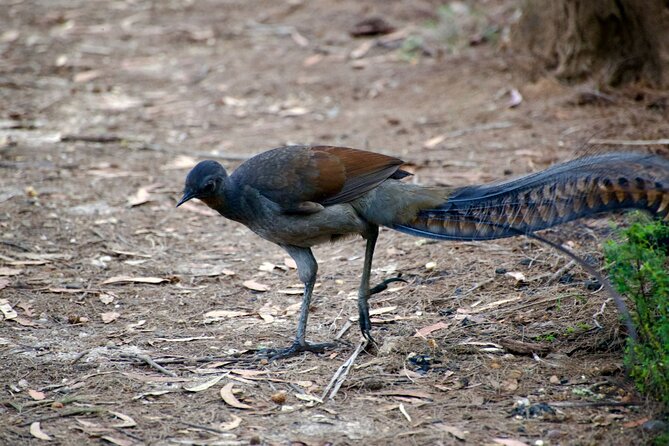
Once darkness sets in, the safari shifts gears again. After dinner, you’ll finish the night spotlighting wombats, possums, and Tawny Frogmouths. This is where the provided gear matters most.
You’ll have handheld spotlights, and the guide plus reference material help you keep your eyes on the right things. Tawny Frogmouths are a great example: they can be hard to notice until you know what you’re looking for. Once you do, you start seeing their stillness and their camouflage style.
For mammals, spotlighting is all about patience. Animals may only show themselves briefly, and your goal is to watch calmly instead of chasing movement. That’s another reason the group stays small—less crowding means fewer missed moments.
This is also where your earlier wildlife tracking lesson pays off. You’ll know what counts as a sign, what might be a false alarm, and why your guide chooses one spot over another.
Price and logistics: what $304.83 buys you
At $304.83 per person for an approximately 10-hour outing, it’s not a budget activity. But it doesn’t feel overpriced once you break down what’s included and what it costs to run properly.
Here’s the value math I’d use:
- Small group size (max 8) with an experienced wildlife guide who keeps you focused.
- Transport in comfortable air-conditioned vehicles.
- Binoculars, handheld spotlights, and wildlife reference guides so you’re not bringing gear.
- A light lunch plus a classic country pub dinner including a drink.
- Extended time outdoors across day, dusk, and night, with multiple wildlife locations.
Also, a mobile ticket makes entry straightforward. And while the tour is booked on average around 32 days in advance, the better angle for you is planning: this is a popular style of outing, and weather can matter for wildlife spotting and for running the program.
One more thing to know, because it affects your planning: the experience is non-refundable and can’t be changed. If you’re someone who needs flexibility because of work or schedule shifts, keep that in mind before you book. The good news is that if conditions force a cancellation due to poor weather, you’ll be offered a different date or a full refund.
Walking pace, shoes, and who should (and shouldn’t) go
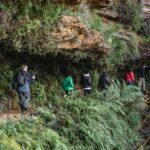
This is a nature safari, not a sit-and-snap photos only trip. The tour asks for moderate physical fitness, and you should be able to walk about 1 km (half a mile) at a time. That includes steep, rough, and sometimes slippery trails, plus river banks.
If you like being outdoors but don’t want to climb hills or balance on wet ground, you might find parts of the day tiring. Closed-toe shoes are strongly recommended, along with comfortable clothing for walking. Check the Southern Highlands weather forecast on the day of travel so you can dress for it.
It’s also not recommended for travelers with limited mobility. That’s a clear boundary. If mobility is a concern, this route and trail conditions could be a mismatch.
If you’re going with someone, this tour also works well for couples and small groups who want shared experiences—especially wildlife lovers who enjoy watching more than just taking pictures.
How to maximize your odds (without stressing out)
You can’t control whether you see platypus. You can control how you show up. Here’s what helps most on outings like this:
- Stay patient during spotlighting. Wildlife sightings are often short and calm, not big cinematic moments.
- Use the binoculars early, not only when something is right in front of you. It trains your eye for distance and movement.
- Pay attention to what your guide teaches about signs and monitoring. It turns you from a hopeful observer into an actual wildlife watcher.
- Keep your gear simple. Wear the shoes you can walk in and focus on being steady on rough ground.
The biggest mindset shift I’d encourage: treat this as a wildlife education day with a real chance at major sightings. When you frame it that way, the day still feels like a win even when a specific animal doesn’t show up.
Should you book the Sydney Wildlife Safari?
Book it if you want an afternoon-plus-night wildlife outing from Sydney that includes practical wildlife viewing tools, a small group setup, and a real chance at rare sightings like platypus at dusk. It also suits you if you care about conservation context, not just animal spotting, because the Great Western Wildlife Corridor theme gives the day meaning.
Skip it if you know you can’t handle walking on steep, rough, sometimes slippery trails and river banks. Also skip it if you need a flexible cancellation plan, since it’s non-refundable and not changeable.
If you’re okay with that trade-off, this safari is a strong value: you’re paying for more than a drive and a brochure. You’re paying for a guided day of structured spotting, provided gear, and a dinner break that keeps the second half of the night enjoyable.
FAQ
What is the duration of Sydney Wildlife Safari?
The tour lasts about 10 hours.
Where does the tour start and where does it end?
It starts at the Sydney Harbour Marriott Hotel at Circular Quay (30 Pitt St, Sydney NSW 2000) and ends back at the same meeting point.
What time does it start?
It starts at 12:00 pm.
How many people are on the tour?
The tour has a maximum of 8 travelers.
What is included in the price?
An experienced guide, light lunch, classic country pub dinner with a drink, binoculars, handheld spotlights, wildlife reference guides, and comfortable air-conditioned transport.
Do I get binoculars and spotlights?
Yes. Binoculars and handheld spotlights are provided.
What wildlife can I expect to look for?
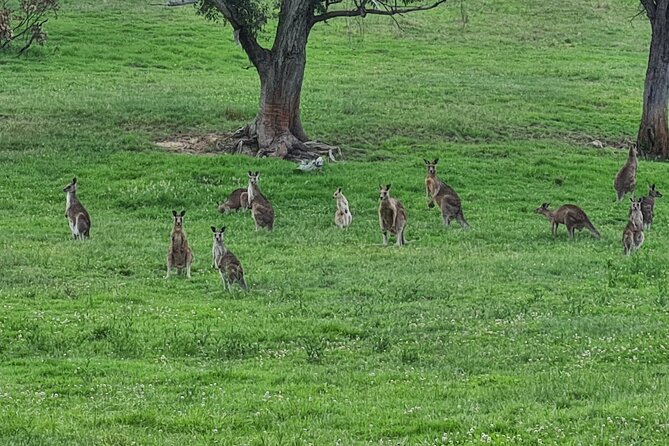
You’ll be looking for kangaroos, wallabies, wombats, emus, parrots and other birds, and if you’re lucky, platypus. The night spotlighting includes wombats, possums, and Tawny Frogmouths.
Is alcohol included with dinner?
Yes, dinner includes a drink (alcoholic or non-alcoholic). Alcohol consumption requires you to be at least 18, and photo ID may be requested.
Is the tour suitable for people with limited mobility?
No, it is not recommended for travelers with limited mobility.
What happens if weather is poor?
The experience requires good weather. If it’s canceled due to poor weather, you’ll be offered a different date or a full refund.
You Might Also Enjoy

More Wildlife Experiences in Sydney
More Safari Adventures in Sydney
More Tour Reviews in Sydney
- Blue Mountains Small-Group Tour from Sydney with Scenic World,Sydney Zoo & Ferry
★ 5.0 · 3,709 reviews