REVIEW · SYDNEY
Historical True Crime Walking Tour of East Sydney
Book on Viator →Operated by Murders Most Foul · Bookable on Viator
Sydney has a darker side than you expect. This East Sydney true crime walk turns everyday streets into crime-scene stops, with Elliott telling the stories in a way that feels like history with teeth. I love how easy the meeting point is at MuseumSydney and how the route stays manageable without eating your whole day. The only downside: the themes are serious—murders, prostitution, drug dealing, and gaol-era violence—so it’s not for anyone who wants a light, fluffy sightseeing stroll.
My favorite part is the mix of big public spaces and gritty backstreets. You start in Hyde Park, then move into Darlinghurst’s old laneways and buildings that still hold onto that 19th- and 20th-century mood.
You’ll finish at Kinselas Hotel on Taylor Square, where the past meets the present (hello, LGBT Mardi Gras backdrop). It’s priced at $24 for about two hours with a small group vibe, so it’s a good way to add something different to your Sydney plan.
In This Review
- Key highlights worth your time
- Why $24 goes a long way in East Sydney
- Getting oriented fast at MuseumSydney and a smooth start
- Hyde Park: ANZAC Memorial, Aboriginal presence, and a 1920s cold case
- Darlinghurst from 1860 to 1970: gaol, police, and the map of dangerous streets
- Victorian and Edwardian streets: where the architecture helps the stories land
- Taylor Square’s Kinselas Hotel: past as a backdrop, not a relic
- Who this East Sydney true-crime walk is for (and who should skip it)
- Should you book this tour?
- FAQ
- How long is the East Sydney Historical True Crime Walking Tour?
- How much does the tour cost?
- Where do I meet the tour?
- Where does the tour end?
- What will we see during the walk?
- Is there a physical fitness requirement?
- Are service animals allowed?
- What if weather is bad?
Key highlights worth your time
- A tight 2-hour route that covers major landmarks without long, exhausting stretches
- Hyde Park to Darlinghurst in one smooth arc, from ANZAC Memorial vibes to gaol history
- Real case references discussed on foot, including the Parkland Killer and 1960s Mutilator Murders
- Darlinghurst Gaol and court sites that explain how punishment, policing, and power worked
- Architecture and laneway atmosphere, including Victorian and Edwardian streets
- Small-group feel (max 25) where conversation and questions actually fit
Why $24 goes a long way in East Sydney
At $24, this tour sits in the sweet spot: not so cheap that it feels basic, and not so pricey that it turns into a one-time splurge you regret. You’re paying for a guided walking experience that connects places to events across decades, instead of just seeing a few plaques and moving on.
The tour lasts about 2 hours and runs as a group with a maximum of 25 people. That matters, because it keeps the pace talk-friendly—enough group energy to feel social, without turning into a loud stampede.
You’ll get a mobile ticket and the meeting point is straightforward: MuseumSydney (right in East Sydney). It’s also near public transportation, which is handy when Sydney traffic and parking can make you grumpy before you even start.
One practical note: this experience needs good weather, so if rain is in the forecast, check the day-of conditions and plan for a little flexibility.
You can also read our reviews of more walking tours in Sydney
Getting oriented fast at MuseumSydney and a smooth start
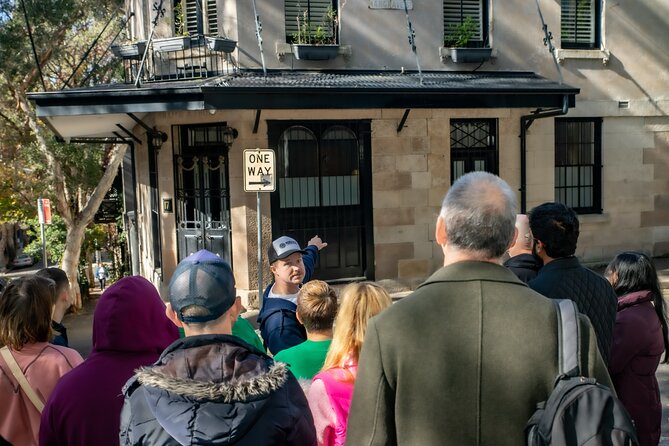
Meeting at MuseumSydney is smart for two reasons. First, it’s easy to find, even if you’re still shaking jet lag out of your shoes. Second, it sets you up to see Hyde Park early, before the tour shifts into the tighter streets of Darlinghurst.
You start at 11:00 am, which is a solid time for a walk. It usually gives you enough daylight to enjoy the buildings and street layout without feeling like you’re sprinting to beat evening.
Once the group gathers, the guide sets the tone: you’re walking in a real neighborhood, not a theme park. That’s why the details matter later—because you’re seeing where the stories unfolded, not just hearing about them as abstract crime trivia.
Wear comfy shoes. Even though the distance isn’t huge, you’re on foot for the full 2 hours, and the experience relies on short stops where you’ll want to stand, listen, and look around.
Hyde Park: ANZAC Memorial, Aboriginal presence, and a 1920s cold case
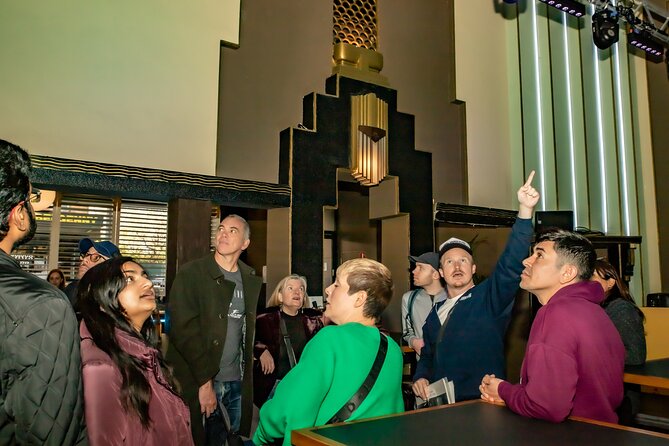
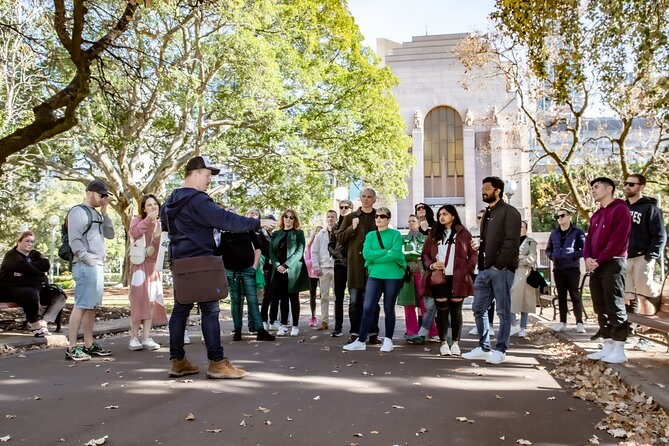
Your first stop is Hyde Park, and the guide uses it as a kind of “before and after” lens for the rest of the area. Hyde Park isn’t just lawns and paths here—it’s a layered space with history going back well before the modern city took shape.
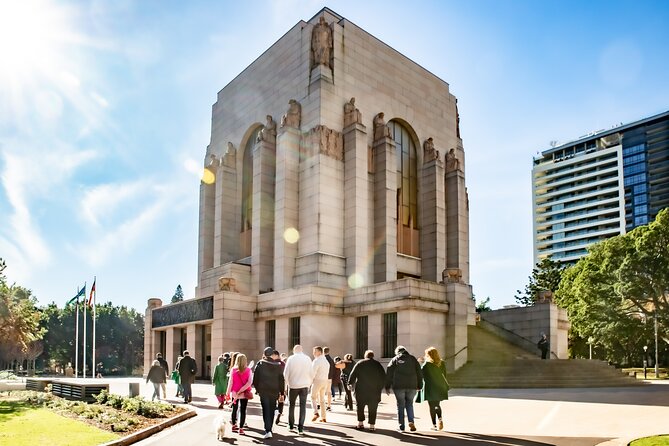
You’ll hear about the ANZAC Memorial and the pond, which gives the park a strong national-symbol feel. But the tour also brings the story back further, with notes on how Aboriginal people used the area before colonization. That background matters, because it reminds you that crime stories and policing stories didn’t start in a vacuum—they layered onto older land and older patterns of life.
Then comes the part that gives this tour its edge: a cold case murder from the 1920s discussed in the context of the park. The cold-case angle is a good way to frame the rest of what you’ll see. It’s not just about who did what; it’s about what the community knew, what investigators could prove, and how memory hangs around even when cases don’t resolve cleanly.
Hyde Park also gets a lighter historical touch through sports: you’ll hear about the first cricket match between the Australians and English in 1830. That’s a useful contrast. It helps you remember the neighborhood wasn’t always a crime headline—people played, gathered, and lived in the same spaces that later became part of darker narratives.
Overall, the Hyde Park segment is about context and atmosphere, and it sets you up for a shift in tone when you cross into Darlinghurst.
Darlinghurst from 1860 to 1970: gaol, police, and the map of dangerous streets
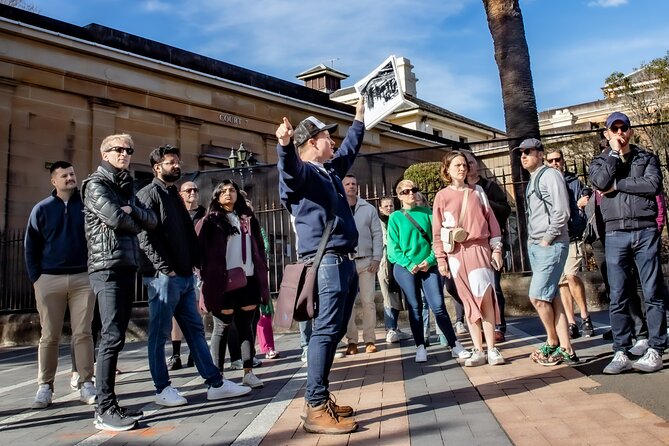
After Hyde Park, the tour turns into the heart of East Sydney’s crime story: Darlinghurst, also known as old East Sydney. This is where the walk really becomes a guided “where it happened” lesson.
You’ll spend the bulk of your time—about 1 hour 30 minutes—moving through old streets and laneways and connecting them to historical crime scenes from roughly 1860 to 1970. The guide frames Darlinghurst as the kind of place where hardship, policing, and organized violence overlapped.
One of the most useful things the guide does here is talk about the area as a social system, not just a list of incidents. Darlinghurst was described as the most dangerous suburb in Australia between 1890 and 1960, packed with dangerous slums and ganglands. When you hear that while standing in the streets, it stops being sensational and starts feeling like how cities actually evolve—through economics, power, and neglect.
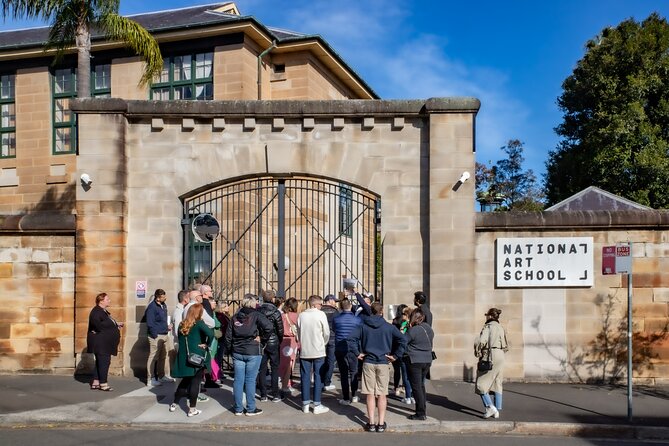
Major stops include the Darlinghurst Gaol, built by convicts in 1841. You’ll hear about the inmates and the hangmen, and that’s where the tour’s true-crime tone becomes very real very fast. Gaol history can be dry if it’s just dates. Here, it’s used to explain how punishment operated and how the justice system shaped daily life.
Next, you’ll see the old Police Station and Courthouse. That’s an important shift. Gaol is where consequences landed; the police and court sites are where decisions formed. It’s the same story chain, just different links in the process.
And then you get into the later 20th-century case references while still staying anchored to place. You’ll be shown crime-scene areas tied to the Parkland Killer and the Mutilator Murders of the 1960s. Hearing those names while walking through the neighborhood helps your brain connect modern case headlines to older street layouts and to how investigators might have worked in their era.
The guide also brings up an area once known as Razorhurst, where gang fights happened long ago. That name is a useful shorthand. It gives the streets a role beyond scenery: they’re part of the neighborhood’s reputation, and reputation is how violence keeps reproducing itself.
Victorian and Edwardian streets: where the architecture helps the stories land
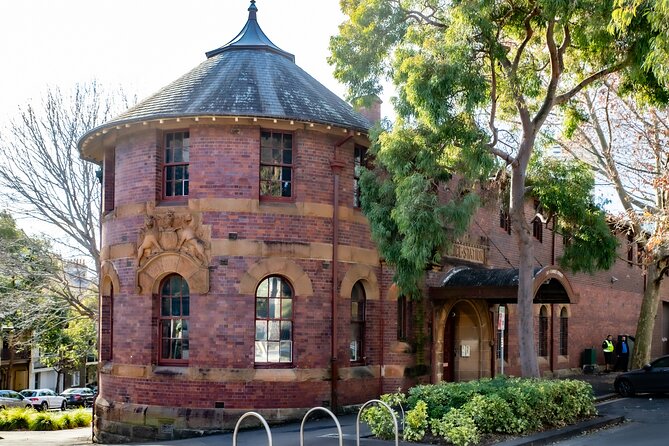
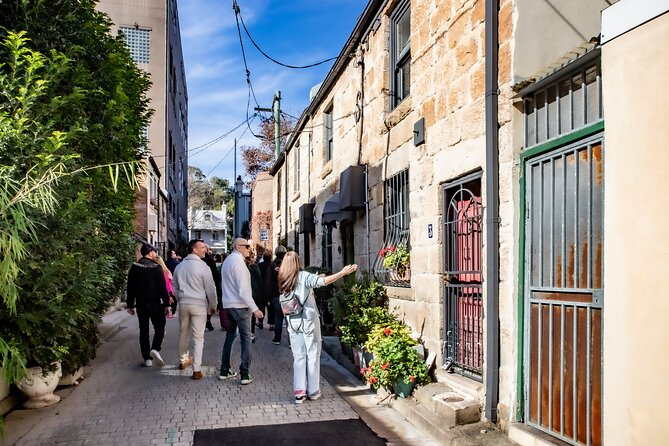
One of the reasons this tour works is that you’re not only chasing crime facts—you’re also absorbing the built environment. Along the way, you get to look at Victorian and Edwardian architecture around Darlinghurst.
That matters because architecture affects how people move, hide, gather, and spot strangers. When you stand near older buildings and narrow laneways, you can understand why certain places became convenient for illegal activity or hard to police.
The guide’s storytelling style also helps here. Instead of reading from a script, the narrative connects buildings and streets to human behavior—how people formed groups, how authorities responded, and how communities changed from convict-era times through the 1970s.
If you like urban walks, this part is a win even if you’re not a die-hard true crime fan. It’s one thing to hear about crimes. It’s another to see the street geometry and know you’re standing where that social pressure played out.
Just keep in mind the emotional tone. This is dark material, and the architecture won’t make it cheerful.
You can also read our reviews of more historical tours in Sydney


Taylor Square’s Kinselas Hotel: past as a backdrop, not a relic
The tour finishes at Kinselas Hotel, located on Taylor Square. It’s a strong ending point because it’s recognizably modern, yet the site has a ghost of its former purpose.
Kinselas started as a 1930s funeral parlour before being converted into a bar. That kind of transformation hits you in the gut in the best way for a true-crime walk. It’s not just a building anymore; it’s a reminder that the city repurposes its spaces, even when the earlier function was tied to death and grief.
And the location adds another layer. Taylor Square is famous as the backdrop of Sydney’s LGBT Mardi Gras. So your final moment isn’t just about crime—it’s about survival, reinvention, and public life. The tour’s theme stays consistent, but the ending shows the neighborhood moving forward.
If you want a simple post-walk plan, this is the point to relax and regroup. Grab a drink or a snack nearby and let the stories settle while you still have the streets in your head. The contrast between the dark backstory and the lively square is one of the reasons the tour sticks with you.
Who this East Sydney true-crime walk is for (and who should skip it)
This is a good fit if you want Sydney beyond the usual postcards. You’ll get a careful street-level look at East Sydney’s darker side, with stories stretching from the 1920s cold case era to 1960s murders, and with older anchors like convict-built institutions from 1841.
It’s also a solid choice if you like guided storytelling and small-group energy. With a maximum of 25 people, the tour feels social enough to make a few new friends, but structured enough to keep moving.
You might also like it if you enjoy architecture and want a way to connect buildings to real-world events. Victorian and Edwardian streets aren’t just photo ops here—they help you understand the setting.
Skip it if you want a gentle history stroll. The tour deals with violence and exploitation, including stories about criminals, prostitutes, and drug dealers. If that will weigh on you, you may prefer a lighter neighborhood walk.
And if you’re planning a packed day, note that it’s about two hours, but it’s paced around listening and short stops. Don’t schedule it when you’re rushing to another obligation across town.
Should you book this tour?
I’d book it if you’re the type of person who likes your travel with context and a little edge. For $24, you’re getting a guided walk that ties Hyde Park and Darlinghurst to a long timeline of crime, punishment, and policing, all while showing you real places you can revisit later.
If you’re unsure, use this quick filter: do you enjoy walking city streets with a guide telling stories that connect crime to community? If yes, this is a great value pick.
If you want pure sightseeing or you get overwhelmed by true crime content, then skip it. Sydney has plenty of cheerful alternatives.
FAQ
How long is the East Sydney Historical True Crime Walking Tour?
It runs for about 2 hours.
How much does the tour cost?
The price is $24.
Where do I meet the tour?
You meet at MuseumSydney, NSW 2000.
Where does the tour end?
The tour ends at Kinselas Hotel, 383 Bourke St, Darlinghurst NSW 2010 on Taylor Square.
What will we see during the walk?
You’ll visit Hyde Park and then spend time in Darlinghurst, including areas tied to historic crime scenes and sites such as Darlinghurst Gaol, a Police Station and Courthouse, and ending at Kinselas Hotel.
Is there a physical fitness requirement?
The tour lists a moderate physical fitness level.
Are service animals allowed?
Yes, service animals are allowed.
What if weather is bad?
The experience requires good weather. If it’s canceled due to poor weather, you’ll be offered a different date or a full refund.
You Might Also Enjoy



More Walking Tours in Sydney
More Tours in Sydney
- Blue Mountains Small-Group Tour from Sydney with Scenic World,Sydney Zoo & Ferry
★ 5.0 · 3,709 reviews

More Tour Reviews in Sydney
- Blue Mountains Small-Group Tour from Sydney with Scenic World,Sydney Zoo & Ferry
★ 5.0 · 3,709 reviews