REVIEW · SYDNEY
Sydney Historical Walking Tour including The Rocks
Book on GetYourGuide →Operated by Locl Tour Sydney · Bookable on GetYourGuide
A great city walk has a start point and a pulse. This Sydney Historical Walking Tour threads together Hyde Park’s early colonial sights and The Rocks’ convict-era streets into one smooth, story-led loop that’s easy to follow and fun to anticipate. I like that it’s small-group sized (up to 16) so you’re not shouting over people, and I like the voice amplification so the guide stays clear even when you’re moving. One thing to consider: the tour is opinionated at times when it comes to colonial history, so if you’re set on a very neutral tone, double-check the guide style when you arrive.
You’ll start at Archibald Memorial Fountain in Hyde Park North, then work your way toward institutions, harbourside landmarks, and finally The Rocks. It’s built for first-time visitors who want context fast, and it’s also strong for repeat travelers who like to connect names on buildings to the people and events behind them. The main drawback is simple logistics: you’ll cover a lot on foot in 150 minutes, so comfortable walking shoes matter, and rain just means you’ll need an umbrella.
In This Review
- Key Points at a Glance
- From Hyde Park to The Rocks: Why This Walking Tour Works
- Finding Your Guide: Archibald Fountain and the Pink Flag
- Your 150 Minutes: How the Pace Feels in Real Life
- Hyde Park to St James Church: Where the Colonial Story Begins
- Hyde Park Barracks and The Mint: Institutions That Told People Who Was in Charge
- Parliament House and the State Library: Learning the City’s Public Face
- Royal Botanic Garden and Macquarie Place Park: A Breather With Meaning
- Customs House to Circular Quay: Trade, Arrival, and Daily Movement
- Sydney Opera House Photo Stop: The View That Also Sets Perspective
- First Fleet Park and The Rocks: Where the Stories Get Physical
- Campbells Cove to the Harbour Bridge: Finishing With Big Views
- Price and Value: Why $31 Can Make Sense
- Guide Style: The Real Secret Sauce (And a Potential Risk)
- What to Bring (So You Don’t Hate Your Own Feet)
- Should You Book This Sydney Historical Walking Tour?
- FAQ
- How long is the Sydney Historical Walking Tour including The Rocks?
- What is the price per person?
- Where do I meet the guide?
- Where does the tour finish?
- How many people are in the group?
- Is there a guide and what language do they speak?
- Does the tour run in the rain?
- What should I bring?
- Is it suitable for wheelchair users?
- Is hotel pickup included?
- What’s the cancellation policy?
Key Points at a Glance
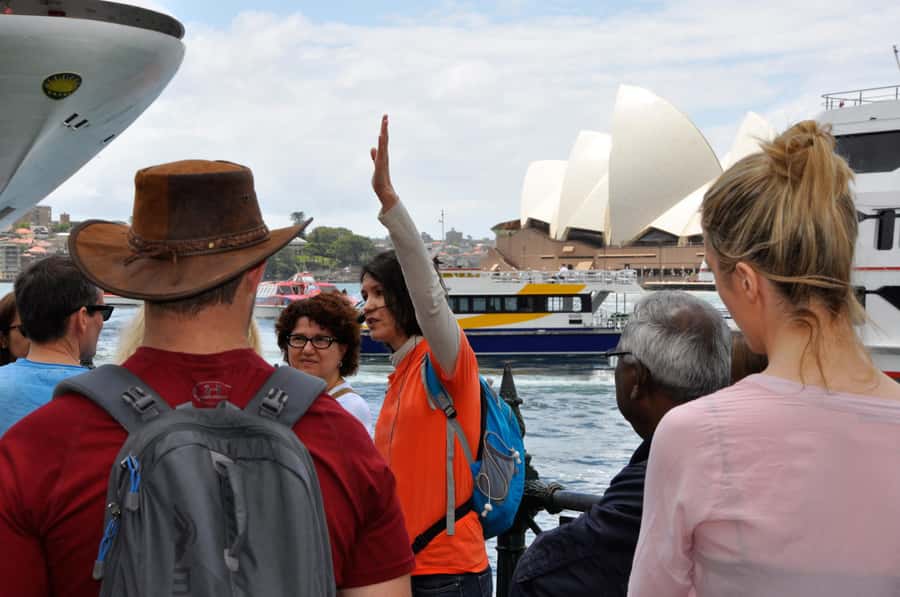
- Small group of 16 keeps the walk personal and question-friendly
- Voice amplification helps you catch every story detail while moving
- Hyde Park to The Rocks in one go means less transit and more walking-time payoff
- Convict, settler, and First Nations context ties major landmarks to real events
- Opera House and Harbour Bridge photo moments give you classic Sydney views without the stress
From Hyde Park to The Rocks: Why This Walking Tour Works
The big challenge in Sydney is that the city keeps changing its face. This walk solves that by doing a timeline in street form. You begin with early colonial-era context in Hyde Park, then you shift into the older harbour precinct where modern Sydney really took shape.
What I like is the way the tour doesn’t just point at buildings. It connects each stop to a reason it mattered—government, trade, punishment, survival, and governance. The Rocks is the headline, but the route gets you ready for it, so the cobblestones and old pubs feel like more than scenery.
Another plus is the structure. Most of the walk is paced with short guided segments and brief stops for photos, so you’re not stuck listening for ages in one spot. And because the group is capped at 16 guests, you get a more human experience rather than a parade.
One practical note: the tour is listed as wheelchair accessible, but it also says it’s not suitable for wheelchair users and people with mobility impairments. That’s a conflict worth taking seriously—if mobility is an issue for you, contact the operator before booking and ask how they handle route changes or steps.
You can also read our reviews of more walking tours in Sydney


Finding Your Guide: Archibald Fountain and the Pink Flag
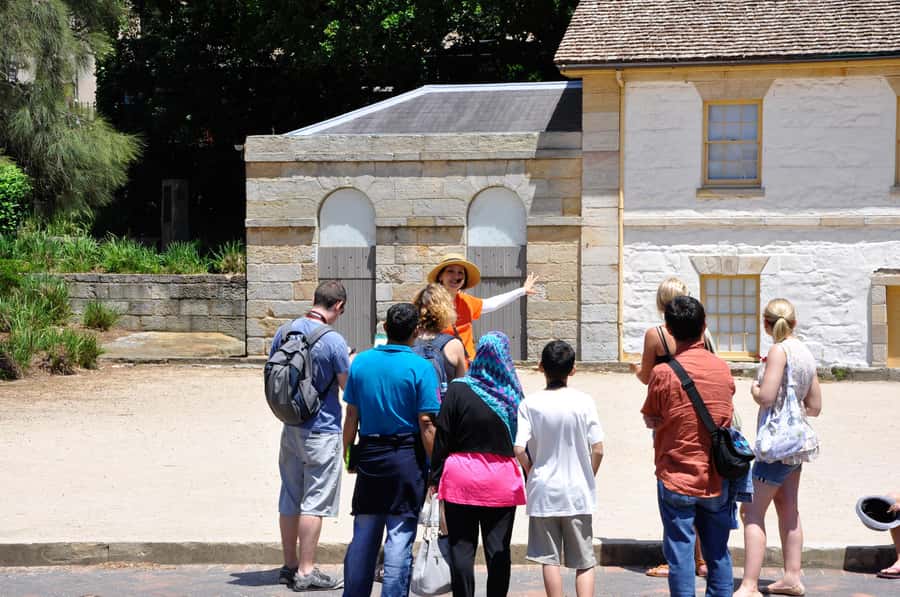
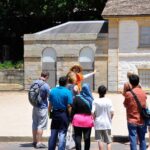
Meeting logistics can make or break a short walking tour, and this one gives clear instructions. You meet at Archibald Memorial Fountain, Hyde Park North, and you’re asked to arrive about 5 minutes early. Look for a person holding a Pink flag—it’s the simplest way to avoid standing around guessing.
If you’re coming by taxi, there’s also a helpful tip: tell the driver St James Station and then walk to the fountain. Also, one specific warning matters: the pin at 110 Elizabeth Street on Google Maps is incorrect, so use the written meeting details instead. That tiny fix can save you time and frustration.
At the end, the tour finishes at Campbells Cove, which is a convenient drop-off if you plan to keep exploring Circular Quay and the harbour area afterward.
Your 150 Minutes: How the Pace Feels in Real Life
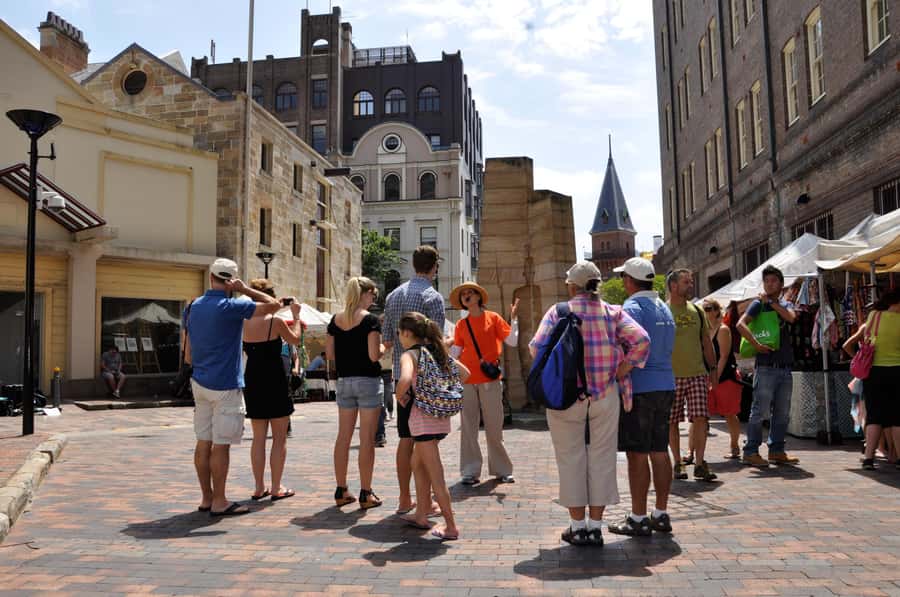
This is a 2.5-hour experience that’s built to keep momentum. The route includes short guided walks between major checkpoints, plus a break and multiple photo stops. The stop-and-go pace is good because it prevents fatigue, but you still need to treat it like real walking.
You’ll want comfortable shoes, and you’ll be much happier with water. Weather is part of the equation in Sydney, and the tour runs rain or shine, so bring an umbrella or raincoat. Even if you don’t love wet weather, you’ll see plenty—just plan to stay dry enough to enjoy the stories instead of rushing from shelter to shelter.
Oversize luggage is not allowed, so pack lightly. If you’re carrying a heavy bag, this isn’t the right activity for you.
Hyde Park to St James Church: Where the Colonial Story Begins
The tour starts with a strong anchor: Hyde Park. Your guide kicks things off right at the Archibald Memorial Fountain area, framing the early colonial story of Australia. Hyde Park isn’t just a pretty central space—it’s where you can understand how power, planning, and public life began to take shape.
From there, you move toward St James Church, a stop that helps connect the city’s institutions to its identity. The quick walk between points keeps the tour moving, and the short guided segments mean you can absorb a concept and then see it in context right away.
This early part matters because it sets expectations for what you’ll see later. When you reach The Rocks, you’ll recognize patterns: who built what, who governed, who benefited, and who paid the price.
Hyde Park Barracks and The Mint: Institutions That Told People Who Was in Charge
Next up are two high-value stops for anyone who likes “why this place exists” history.
At Hyde Park Barracks, you’ll get a guided look at a site tied to punishment and labour systems. It’s the kind of location where you can see how infrastructure and policy shaped daily life. Even if you’ve heard the words convict history before, the physical setting helps it land in your brain.
Then you visit The Mint. This stop shifts from confinement to production—money, materials, and state control. It’s a reminder that governments don’t only manage people; they also manage trade and value. When the story connects like this, the tour feels more than a list of stops.
I also like that you’re not stuck staring at one building. You keep moving, you keep changing viewpoint, and the guide uses the city layout to explain relationships between sites.
You can also read our reviews of more historical tours in Sydney


Parliament House and the State Library: Learning the City’s Public Face
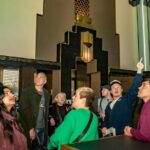
A walk like this is strongest when it shows the city’s public identity, not only its rough edges. Parliament House and the State Library of New South Wales help you understand how Sydney positioned itself as an organized civic place.
Parliament gives you a sense of authority—how decisions got made and how public life took official form. The State Library adds a second angle: the city’s need to store knowledge, documents, and narratives. Together, these stops frame the idea that history isn’t just what happened—it’s also what gets recorded.
And because this tour is time-efficient, you’ll get the context without spending all day inside buildings.
Royal Botanic Garden and Macquarie Place Park: A Breather With Meaning
After the institutional stops, there’s a shift to green and open space. You’ll spend time at the Royal Botanic Garden for a guided look and photos, and then you’ll move to Macquarie Place Park.
These aren’t just “nice to have” stops. In a tour like this, they act like mental resets. You catch your breath, you take photos, and you see how the harbour-adjacent city could feel calmer even when the broader story involved hardship and control.
They also set up the emotional mood for what’s next. When you head toward the waterfront, you’ll feel the contrast between designed civic order and older streets shaped by earlier settlement.
Customs House to Circular Quay: Trade, Arrival, and Daily Movement
At Customs House, the story turns toward trade and the movement of people and goods. Harbour precinct history can feel abstract until you connect it to customs, paperwork, and regulation. This is where the tour helps the city make sense as a working system, not just a postcard.
Then you reach Circular Quay, with a short break. You’re right at the point where Sydney looks most “Sydney,” but the guide uses that energy for context. You get the classic waterfront view, and you also learn how this area played into settlement patterns and official control.
If you’re the type who loves maps, this part is good. You start to understand how the city’s geography pushed certain activities into certain areas.
Sydney Opera House Photo Stop: The View That Also Sets Perspective
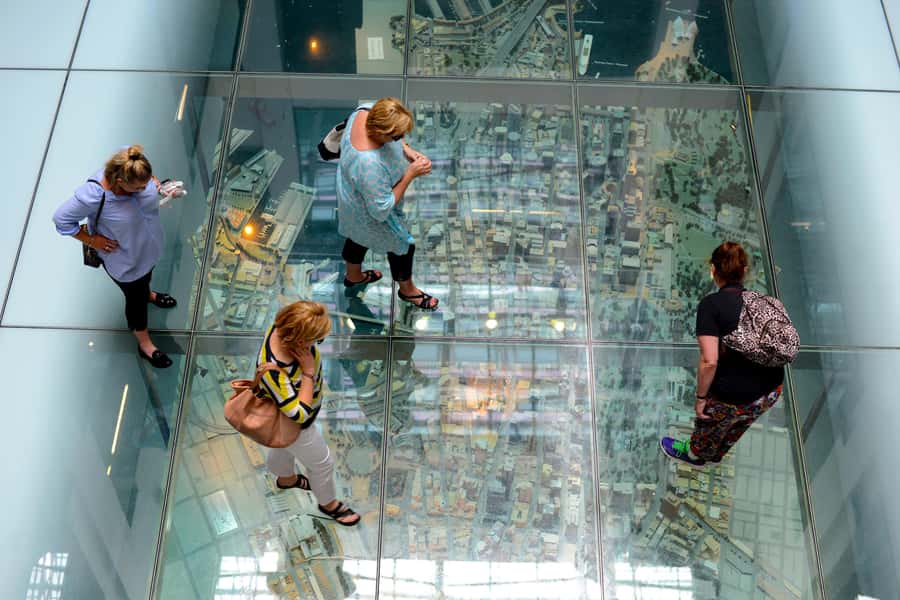
The Opera House stop is brief and built for photos, but it serves a purpose. It’s not just a famous icon; it’s a contrast point. As you move from old harbour precincts toward modern landmarks, you feel the time jump.
You’ll also see scenic viewpoints on the way in the harbour area, which helps you keep orientation. Even if you’ve seen photos of the Opera House forever, seeing it from a walking route designed around history can change how it lands.
This stop is ideal if you want your tour to include a big-name Sydney moment without turning the day into a separate attraction ticket.
First Fleet Park and The Rocks: Where the Stories Get Physical
Now we get to the heart of the experience. First Fleet Park provides another anchor—another way the tour connects the harbour to early arrival narratives.
Then you enter The Rocks for the longest stretch on foot, and this is where you’ll feel the tour’s value most. Cobblestone streets, older buildings, and pub-front energy combine with heritage storytelling about convicts, settlers, and First Nations people who shaped this land. It’s also where the “small details” matter: lanes feel narrow in a way modern streets don’t, and you can actually imagine daily life rather than just reading about it.
The Rocks is also where good guiding style matters. One reason the tour scores highly is that the guide tends to mix humour and narrative flow, so you don’t feel trapped in a lecture. A strong guide also makes the area feel walkable and logical, not like a maze.
One caution from the information provided: historical interpretation can vary by guide. I’d treat this as a tour where you’ll get a perspective, not just facts. If you want a strict neutral approach to figures like Lachlan Macquarie, be aware that one guide’s framing may not match what you prefer.
Campbells Cove to the Harbour Bridge: Finishing With Big Views
The tour wraps around Campbells Cove, and along the way you’ll have a photo stop at Campbells Cove before finishing. You’ll also have a Sydney Harbour Bridge photo moment on the way, with scenic views that help you connect the old harbour precinct to the modern skyline.
Finishing at Campbells Cove is a smart choice. It puts you in a lively area where it’s easy to keep exploring, grab a coffee, or head back toward Circular Quay.
If you like planning your next steps, this ending point helps you avoid the awkward “where do we go now?” problem that some tours create when they end far from everything.
Price and Value: Why $31 Can Make Sense
At $31 per person for about 150 minutes, this is one of those tours that’s priced like it wants you to actually do it, not just consider it.
Here’s the value equation I see:
- You’re paying for a guide to connect multiple major landmarks into one coherent story.
- You’re paying for logistics that you’d otherwise manage yourself: pacing, route flow, and “why this matters” context.
- You’re paying for comfort upgrades like voice amplification and a small group.
Even if you’re a confident independent walker, you’d still need to do research stop by stop. This tour saves you that effort and gives you a guided narrative in the same time you’d spend trying to piece the city together alone.
Guide Style: The Real Secret Sauce (And a Potential Risk)
The biggest differentiator in any walking tour is the person holding the thread. In this case, the guide quality appears consistently high, with particular praise for Lily’s delivery—she’s described as witty, kind, and able to explain history with a strong sense of humour. Another key detail: the guide style seems to keep pace even when weather turns unpleasant, which matters in a city where rain can change your mood fast.
There is also a caution. One negative note points to a guide who framed colonial history in a strongly critical way, and the guest found the commentary hard to understand and didn’t like how questions were handled. That doesn’t mean the tour is bad—it means guide personality and tone can matter to your enjoyment.
My practical advice: if the tour description makes you expect a balanced, neutral tone, and that’s important to you, consider asking about the guide approach when you check in. Or just decide up front that you’re here for perspective, not a courtroom closing argument.
What to Bring (So You Don’t Hate Your Own Feet)
This is a straightforward packing list, but it’s worth following.
Bring:
- Comfortable walking shoes
- Water
- Weather-appropriate clothing
- Umbrella or raincoat since it runs rain or shine
Leave behind:
- Oversize luggage (not allowed)
That’s it. With the right footwear and a small bottle of water, you’ll be able to focus on the stories instead of managing discomfort.
Should You Book This Sydney Historical Walking Tour?
Book it if you:
- Want a high-context intro to Sydney that connects Hyde Park to The Rocks
- Like small-group tours and appreciate voice amplification
- Prefer a guided timeline over piecing history together on your own
- Want classic Sydney views (Opera House, Harbour Bridge) without turning it into separate attractions
Skip it or rethink if you:
- Have mobility limitations. The data conflicts on wheelchair suitability, so confirm route specifics before you commit.
- Need strict neutrality on controversial historical figures. This tour may present interpretation as part of the narration.
- Don’t enjoy walking for 2.5 hours. The pace is active, and you’ll cover a lot.
If you fit the first group, this tour is a solid value. You’ll finish with both a skyline view and a much clearer sense of how Sydney became itself.
FAQ
How long is the Sydney Historical Walking Tour including The Rocks?
The tour lasts about 150 minutes (2.5 hours).
What is the price per person?
The price is listed as $31 per person.
Where do I meet the guide?
Meet at Archibald Memorial Fountain, Hyde Park North. Arrive about 5 minutes early and look for a person holding a Pink flag.
Where does the tour finish?
The tour finishes at Campbells Cove.
How many people are in the group?
It’s a small-group tour limited to 16 guests.
Is there a guide and what language do they speak?
Yes, there is a live English-speaking guide. Voice amplification is included for easier hearing.
Does the tour run in the rain?
Yes, it runs rain or shine.
What should I bring?
Wear comfortable walking shoes and bring water. Bring weather-appropriate clothing, and an umbrella or raincoat since it goes ahead in rain.
Is it suitable for wheelchair users?
The information provided includes a conflict: it lists wheelchair accessibility, but it also says it’s not suitable for wheelchair users and people with mobility impairments. If this applies to you, confirm with the operator before booking.
Is hotel pickup included?
No. Hotel pickup and drop-off are not included.
What’s the cancellation policy?
Free cancellation is available up to 24 hours in advance for a full refund. You can also reserve and pay later.
You Might Also Enjoy



More Walking Tours in Sydney



More Tours in Sydney
- Blue Mountains Small-Group Tour from Sydney with Scenic World,Sydney Zoo & Ferry
★ 5.0 · 3,709 reviews


More Tour Reviews in Sydney
- Blue Mountains Small-Group Tour from Sydney with Scenic World,Sydney Zoo & Ferry
★ 5.0 · 3,709 reviews